Mardi Himal Trek: Viewpoints, Ridge Walking and Route Choices
Understand the difference between Mardi Himal’s upper viewpoint and base camp, and plan enough time for the ridge rather than chasing the shortest itinerary.
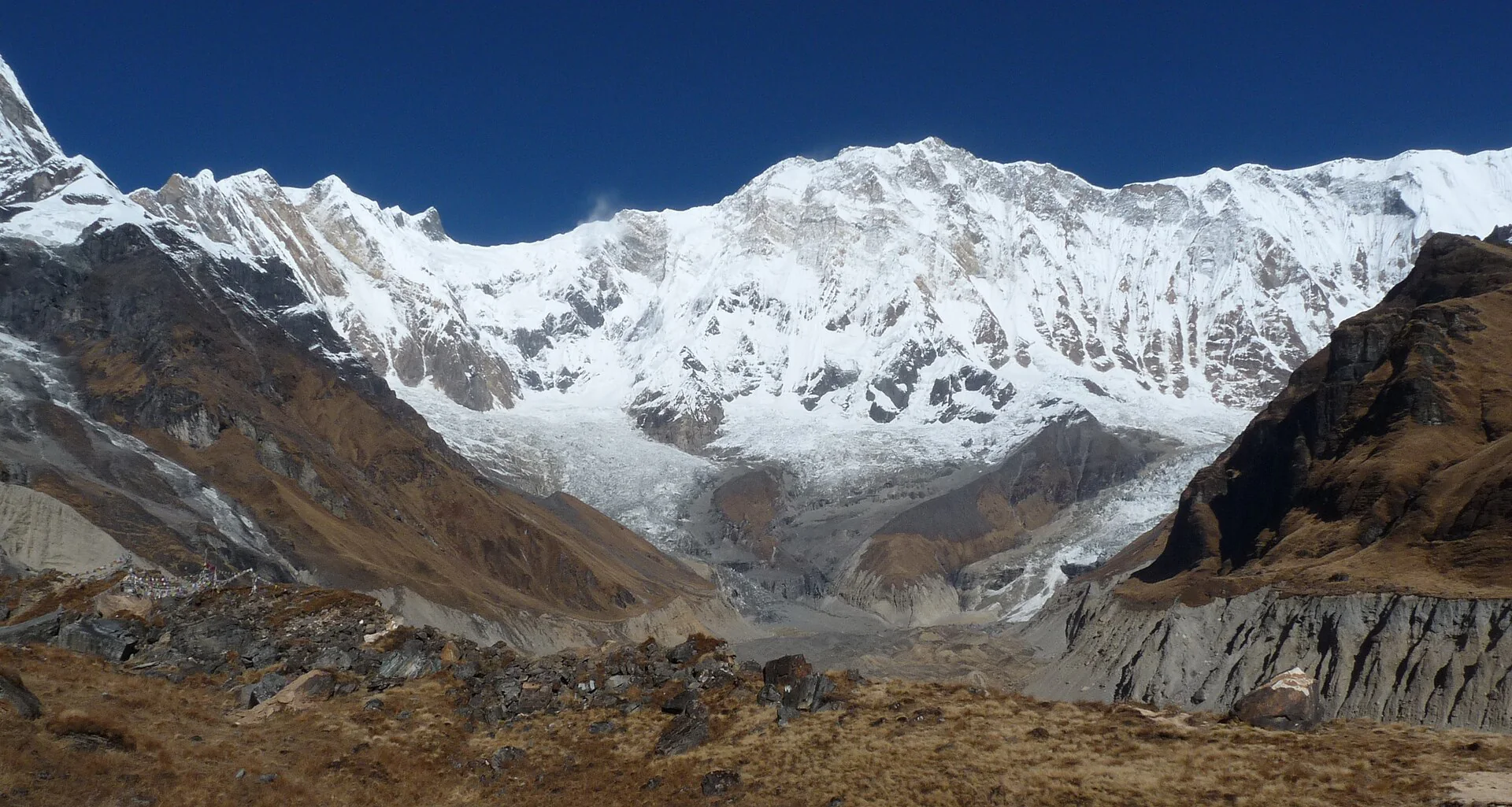
Mardi Himal is an Annapurna-region ridge trek usually planned from Pokhara. A five- or six-day walking-and-transfer itinerary can provide time for forest stages, High Camp and a weather-dependent viewpoint visit. The upper viewpoint, around 4,200 metres, and the more distant Mardi Himal Base Camp, often described around 4,500 metres, are different objectives. Ask which one your itinerary actually reaches.
For many travelers, a well-paced upper-viewpoint route is the better starting plan. Continuing farther needs suitable conditions, extra effort and an explicit turnaround decision. The name “Mardi Himal trek” should not be treated as a promise of a particular high point.
Why choose Mardi Himal?
Mardi offers a more ridge-focused experience than the river-valley approach to Annapurna Base Camp. The scenery changes as forest gives way to open slopes, with mountain views that feel close when the weather clears. You do not cross a high pass on the usual out-and-back ridge route.
It can suit walkers who have enough time for several lodge nights and enjoy a sustained climb. It is less suitable for someone who dislikes narrow paths, wants a very low-altitude walk or expects the same facilities every night. The upper ridge makes weather and visibility especially relevant to the day's decisions.
Upper viewpoint or base camp?
This distinction is worth settling before discussing the price. A schedule may use “base camp trek” as the product name while turning around at a viewpoint. That can be a sensible route, provided the description is honest and you know what you are choosing.
| Place | Approximate elevation | Role in the journey |
|---|---|---|
| Forest Camp | 2,600 m | A woodland overnight on common approaches |
| Low Camp | About 3,000 m | A possible intermediate night |
| Badal Danda | About 3,210 m | Ridge accommodation and an alternative stop |
| High Camp | About 3,550 m | A common base for the upper walk |
| Upper viewpoint | About 4,200 m | A visit before returning down the ridge |
| Mardi Himal Base Camp | Around 4,500 m | A farther extension requiring a separate decision |
Nepal Hiking Team’s current Mardi route explicitly distinguishes its upper-viewpoint itinerary from a base-camp extension. That distinction is more useful than assuming every itinerary with the same title follows the same endpoint.
A route with room to breathe
A considered plan can begin with a Pokhara transfer toward Dhampus or Kande, followed by a walk through the lower villages and forest. Where you spend the first night affects the following day's effort. A longer vehicle approach may save walking, but it should not be used automatically to remove every intermediate night.
One possible sequence is a lower foothill stop, Forest Camp, Low Camp or Badal Danda, High Camp, a viewpoint day returning lower, and a descent to an agreed road connection. Some groups can combine stages; others need an additional night. The key is to show the sleeping elevations and likely walking hours, not simply advertise a shorter trip.
Ask whether the return follows the same ridge or descends toward Siding. The latter changes the final day's path and vehicle arrangement. Confirm the roadhead close to departure because a proposed pickup point is only useful if a vehicle can reach it.
Difficulty is about the ridge and repeated days
The forest climb can feel humid and steep, while the upper trail may be cold and exposed. Roots, stone steps and uneven ground reward comfortable footwear and steady movement. A narrow section that feels straightforward in clear weather can be a different proposition in cloud or ice.
Prepare with hill walks and consecutive walking days rather than only short, fast exercise. Test your daypack, layers and snacks. If a packed schedule leaves you too tired to enjoy the upper day, another overnight may be worth more than a faster transfer.
Do not judge the trek only by the highest number on the map. The gain between sleeping places matters. CDC advice favours gradual ascent; feeling fit is not a reason to ignore altitude symptoms. Let your guide know early if you are unwell and avoid climbing higher with symptoms.
How to plan the viewpoint morning
Start time should reflect the season, conditions and group. Sunrise is an option, not an obligation to walk a narrow ridge in poor visibility. Carry a working headlamp, warm gloves and a layer that can be put on quickly when you stop.
Agree on a turnaround time before leaving High Camp. It should protect the descent and allow room for the unexpected, rather than depend on reaching a photo location. If the group turns around below the advertised viewpoint, the day still needs a comfortable lower finish.
A farther base-camp extension should be discussed separately. Ask how much time it adds, whether it changes the overnight and what conditions would cancel it. Avoid interpreting a clear patch of sky as proof that the entire route ahead is suitable.
Seasons and visibility
Spring and autumn are common choices for Mardi, though neither guarantees views. Spring can bring a lively forest landscape, while autumn draws many trekkers seeking clearer mountain mornings. Ridge cloud can arrive quickly, and a day with poor visibility may make the lower forest walk the more enjoyable choice.
Winter introduces cold and possible ice on exposed ground. Monsoon periods can bring wet paths, leeches, cloud and difficult road access. Ask for a current assessment of the whole route, including the vehicle approach and descent, rather than a simple month-by-month rating.
Permits and service arrangements
NTNC lists Mardi Himal within ACAP. NTB includes Mardi on its guide/TIMS route list. Confirm the current requirements for your itinerary and nationality.
Your written quote should make guiding, permits, lodge nights, meal arrangements and transfers explicit. If you would like a porter or equipment rental, request it rather than assuming it comes with the trek name. Keep personal costs such as charging, showers, drinks and snacks visible in your budget discussion.
What to carry
- Footwear with grip that you have already worn on uneven ground.
- Waterproof outerwear and a dry layer protected inside your bag.
- Warm clothing for High Camp and the viewpoint.
- Headlamp, spare battery power and sun protection.
- Refillable water bottles with a treatment plan.
- Personal medication and a small foot-care kit.
- Poles if you are comfortable using them on descents.
A light, organised daypack is easier to manage on a ridge than loose items hanging outside it. Pack the things you need during the day separately from any porter-carried bag. Confirm who carries your spare warm layer and rain protection: these should remain accessible to you.
Lodges and expectations
Facilities vary, particularly as the route gets higher. Ask about bathrooms, bedding and room-sharing expectations. A comfortable trip does not require pretending every lodge is a boutique hotel; it requires knowing what is likely and planning accordingly.
Dietary needs should be explained before the route is fixed. Give specific ingredients to avoid and discuss workable meals. Phone signal and charging should be treated as conveniences that may be limited, not as requirements on which a work meeting or onward booking depends.
Is another short trek a better fit?
Choose Poon Hill if a village-and-viewpoint route with a lower maximum elevation better matches your plans. Choose ABC if you want to enter the sanctuary and have more days available. Tell us your Pokhara dates, ridge experience and preferred high point for a Mardi proposal that states exactly where you will walk and sleep.
Sources & further reading
Travel information checked on 25 October 2026. Rules, fees and operations can change; check the linked authority again before you travel.
Let’s plan your Nepal journey.
Choose an itinerary or tell us what you have in mind.