Everest Base Camp trek guide: route, altitude and realistic planning
Plan the Nepal-side Everest Base Camp trek with a clear route, overnight-altitude profile, acclimatization stops and room for flight disruption.
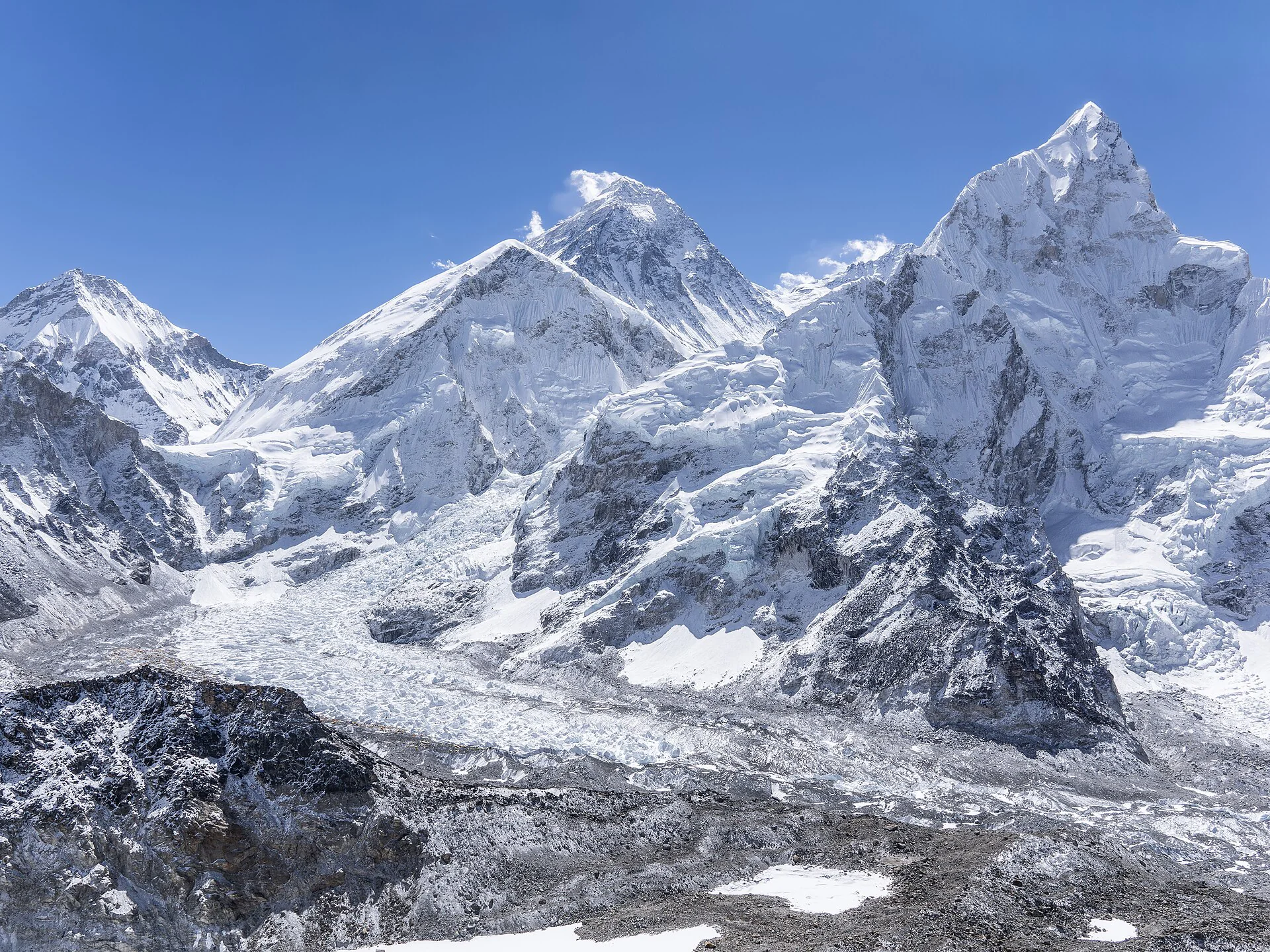
The Nepal-side Everest Base Camp trek is a demanding multi-day walk through the Khumbu, usually approached through Lukla. A realistic plan protects acclimatization time, distinguishes the base-camp visit from the higher Kala Patthar viewpoint, and leaves room for transport disruption. Reaching a famous landmark should never override how someone is feeling at altitude.
Everest Encounter’s 14-day route is a framework for the complete journey from Kathmandu back to Kathmandu. It includes repeated nights at Namche and Dingboche. Some travelers need a longer version, and additional time before an international flight remains sensible. “Fourteen days” should not be read as a guarantee of fixed flight operations or individual acclimatization.
Understand the shape of the route
The usual walking corridor follows the Dudh Koshi toward Namche, then continues through the upper Khumbu toward Dingboche, Lobuche and Gorak Shep. The base-camp visit returns to a lodge rather than assuming a night in an expedition camp. NTB’s route description identifies Phakding or Monjo as early stops and Namche as a base for nearby acclimatization outings. Nepal Tourism Board’s Everest Base Camp overview.
| Stage | What the plan needs to achieve |
|---|---|
| Kathmandu and Lukla approach | Equipment and document checks, confirmed transport arrangements |
| Lower valley to Namche | An unhurried introduction to walking and a substantial climb |
| Namche stay | Time at the same overnight elevation with an appropriate optional outing |
| Upper valley to Dingboche | Continued pacing and a second repeated overnight stop |
| Lobuche and Gorak Shep | Careful assessment before the high base-camp visit |
| Descent and return travel | Enough energy and time for long walking days and flight flexibility |
Read every day, including the return. Descending does not make a long day effortless, and the route still includes uphill sections.
Base camp, Kala Patthar and your highest night are different places
The commonly quoted planning elevations are approximately 5,364 m for Everest Base Camp, 5,545 m for the usual Kala Patthar viewpoint and 5,164 m for Gorak Shep, the highest overnight stop in our itinerary. Treat them as approximate location figures, not precise measurements of every lodge or the changing edge of a glacier.
Kala Patthar is an optional higher outing. It should be considered separately from reaching base camp, with the decision based on conditions and wellbeing. A trip can turn around earlier, omit a viewpoint or descend without having “failed.” The journey is still a demanding high-altitude trek.
When comparing operators, check whether the advertised maximum altitude refers to a visited viewpoint, an overnight stop or a different variant. Nepal Hiking Team’s published EBC itineraries also distinguish acclimatization days and the Kala Patthar excursion; its services and prices are its own, not inclusions in an Everest Encounter quote. NHT’s published route reference.
Why the ascent schedule matters
CDC advises gradual ascent and, above 3,000 m, generally limiting increases in sleeping altitude to about 500 m per night with additional acclimatization time. It also notes that standard Everest Base Camp itineraries can still challenge travelers’ ability to acclimatize. A familiar itinerary is not a medical guarantee. Discuss the profile and whether extra days are appropriate with a travel-health clinician. CDC altitude and acclimatization guidance.
Do not remove a repeated overnight stop simply to recover a delayed flight day. If the schedule no longer fits, reassess the route or total duration. The plan should make that decision possible before the group is under pressure to continue.
Tell the guide promptly about symptoms rather than waiting to see whether they disappear on the next climb. NTB’s mountain-safety guidance emphasizes stopping ascent when unwell and descending if symptoms worsen. NTB mountain-safety guidance.
Prepare for repeated walking days
The challenge is cumulative: uneven ground, steps, long days, a daypack and consecutive nights away from your usual routine. Prepare with realistic walks rather than relying only on a general fitness label. Test descent, footwear and recovery on back-to-back days.
Ask for walking-time ranges and remember that they are estimates. They vary with pace, trail conditions, stops and how the group is feeling. Do not use another traveler’s fastest time as a target. A guide needs room to adapt the day without turning the schedule into a competition.
The first-trek guide helps you describe your experience clearly. If the full base-camp profile is not a good match, the Namche-based Everest Panorama Trek offers a different Khumbu journey, still with meaningful altitude and uphill walking.
Flight arrangements need a written contingency plan
Confirm the actual departure airport, the transfer to it and the baggage limits attached to your booking. Do not assume the flight will leave from central Kathmandu simply because the itinerary begins there. Operators may use different arrangements according to current airport operations.
Agree what happens if the outbound or return flight is delayed: where you wait, who communicates changes, which costs are included and how a revised itinerary is approved. Nepal travel advice warns that weather can disrupt mountain travel and air services. A paid alternative is not automatically available or suitable. FCDO Nepal travel safety.
Avoid a tightly connected international departure. Keep the final travel margin visible on the calendar rather than hiding it inside the last trekking day.
Know what the quote covers
Check city accommodation, trail accommodation, meals, water, guide and porter arrangements, permits, flights, road transfers and baggage. Ask specifically about charging, showers, internet and extra hotel nights. These details determine what you need to budget and carry.
A teahouse itinerary describes the accommodation style, not a uniform hotel standard. Ask about room sharing and facilities at each part of the route. Do not expect a city-room description to apply unchanged to the highest stops.
For permits, use the current route-specific paperwork guide. For money, use the quotation comparison checklist. The final written proposal should connect these details to your dates and party size.
Pack for access and simplicity
Keep weather protection, insulation, water, a headlamp and essential personal items in your daypack. Check that the sleeping system is appropriate to the expected overnight conditions. Confirm anything supplied or rented rather than buying around an assumption.
Use the Nepal trekking packing list as a starting point, then refine it for the actual dates. A well-organized bag is more useful than a large collection of unfamiliar equipment. Keep enough flexibility in the packing plan for the airline’s current limits and the agreed carrying arrangement.
Make the decision with the whole journey in view
Before confirming, you should be able to explain your highest sleeping altitude, both acclimatization stops, the longest return day and the flight-delay plan. You should also know who decides when an outing is omitted and what a longer or shorter itinerary would mean financially.
Send your dates and walking experience to discuss the route. The objective is a well-paced Khumbu journey with a clear plan for change, not simply the shortest calendar that reaches a famous point.
Sources & further reading
Travel information checked on 25 October 2026. Rules, fees and operations can change; check the linked authority again before you travel.
Let’s plan your Nepal journey.
Choose an itinerary or tell us what you have in mind.