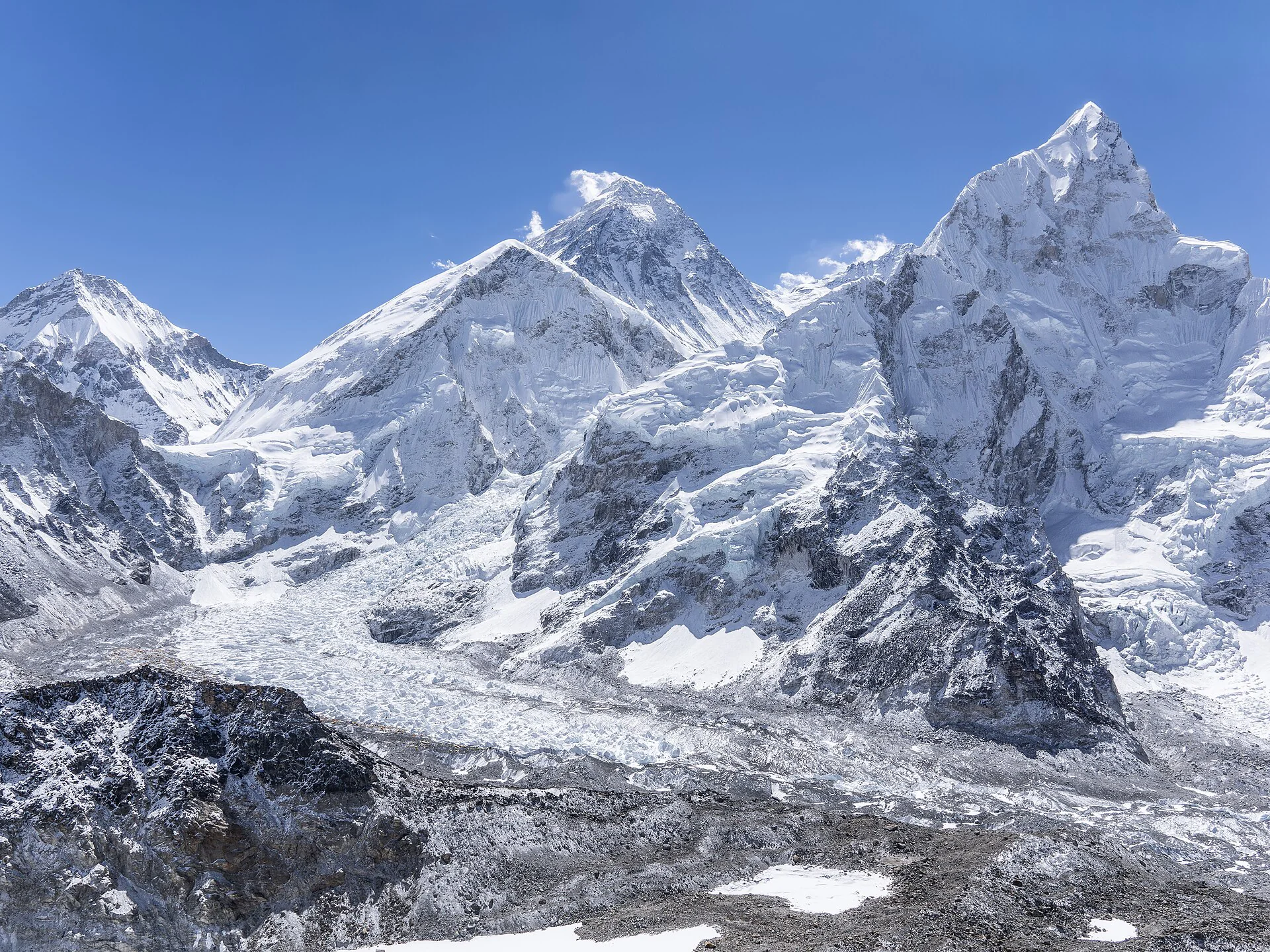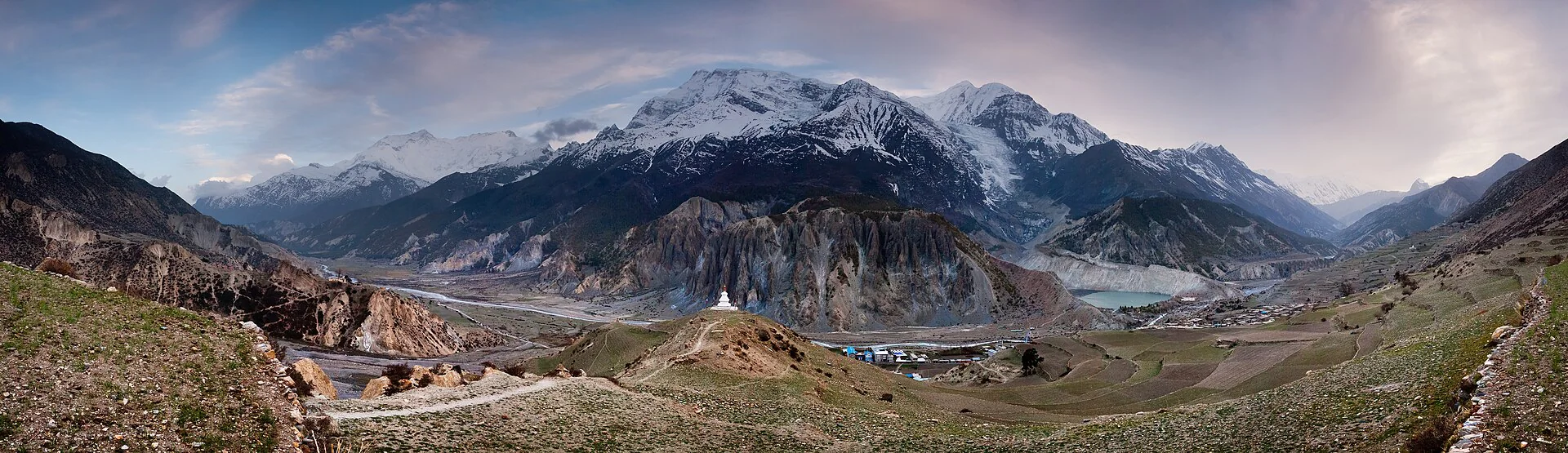
Everest or Annapurna Base Camp: which trek fits your journey?
Compare Everest and Annapurna Base Camp by overnight altitude, walking style, transport, time and comfort before choosing your Nepal trek.
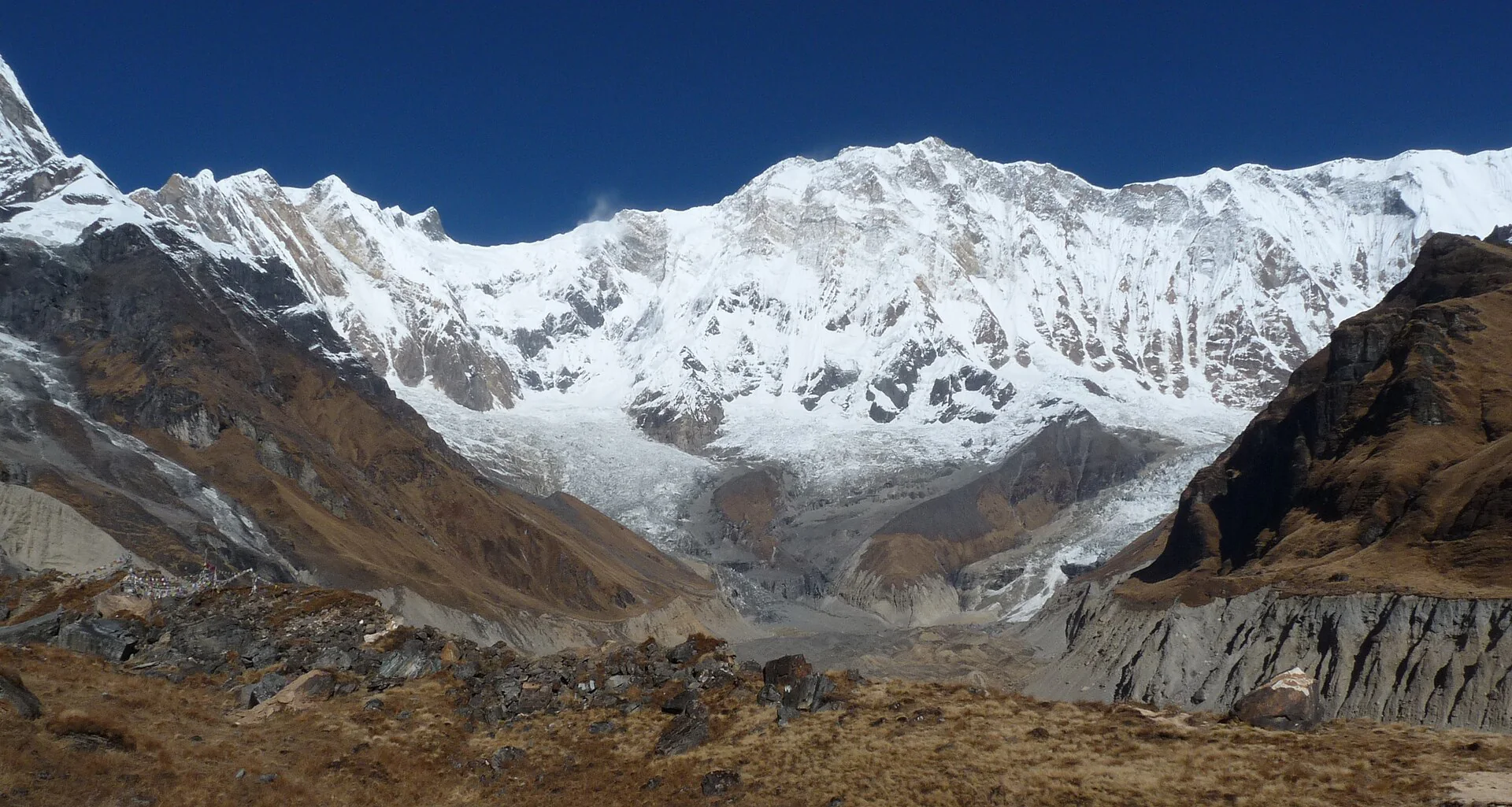
Choose Everest Base Camp if the Khumbu journey itself is your priority and you can allow enough time for its higher overnight profile and transport flexibility. Choose Annapurna Base Camp if the sanctuary landscape and an approach through the Annapurna foothills are a better fit. Annapurna is lower, but lower does not mean effortless or free of altitude risk.
The right comparison is between two complete itineraries, not between two photographs. Look at daily walking, overnight elevations, access, accommodation and how much of your holiday remains uncommitted. If one route only fits by removing recovery or contingency time, it probably does not fit well.
The useful differences at a glance
| Question | Everest Base Camp | Annapurna Base Camp |
|---|---|---|
| Main landscape goal | The upper Khumbu and the approach to Everest’s Nepal-side base camp | The Annapurna Sanctuary and its surrounding mountain amphitheatre |
| High point in the route discussed here | Base camp around 5,364 m, with an optional higher Kala Patthar viewpoint | Annapurna Base Camp around 4,130 m |
| Highest overnight in our route | Gorak Shep, around 5,164 m | Machhapuchhre Base Camp, around 3,700 m; ABC is a day visit |
| Main approach question | Lukla flight arrangements and the airport transfer | Travel to Pokhara and the current roadhead |
| Our starting itinerary length | 14 days | 12 days |
| Decision that deserves extra attention | Repeated high nights and transport contingency | Daily ascent and descent, upper-valley conditions and road access |
The broad differences in access and altitude are also reflected in Nepal Hiking Team’s published comparison. Its particular durations and services describe its products; compare the details of the itinerary you intend to book. NHT’s route comparison.
Choose the landscape you want to spend time in
Everest is not only a base-camp marker. Consider whether you are excited by the full Khumbu journey: walking between settlements, spending time around Namche, and continuing into higher, more open terrain. The return follows much of the same corridor, giving you a second experience of places passed on the ascent.
Annapurna Base Camp is not the Annapurna Circuit. The base-camp route approaches the sanctuary, while the circuit is a different journey around a much wider region. Check the title and day-by-day plan carefully when comparing offers. A package that adds a viewpoint, village extension or different roadhead may change the walking substantially.
Ask yourself which route you would still enjoy if weather prevented the most famous photograph. The answer often reveals your real preference more clearly than asking which trek is more iconic.
Compare sleeping altitude, not just the summit-view number
Everest’s itinerary involves a higher overnight profile. Our Annapurna route sleeps at Machhapuchhre Base Camp, visits ABC and descends; an ABC overnight would be a different variant. The lower elevation still matters, and the highest daytime point and highest overnight stop should be listed separately for both trips.
NHS guidance notes that altitude sickness can occur above roughly 2,500 m and is more likely with rapid ascent. Do not choose Annapurna on the assumption that altitude can be ignored there. Discuss the actual overnight schedule and personal concerns with a qualified travel-health clinician. NHS altitude-sickness guidance.
A more useful question than “Which one is safe?” is “Which profile gives me enough time, and how will the plan change if I do not feel well?” No itinerary can promise the same response for every traveler.
Think about the kind of walking you find difficult
Some people are comfortable with long steady days but dislike repeated steep steps. Others manage climbs well but find prolonged descents tiring. Neither preference appears in a simple moderate-versus-challenging label.
Ask each operator for the longest day, the biggest ascent and descent, and whether the final approach can be divided differently. Compare those answers with recent walks you have actually completed. Be clear about the terrain, pack weight and how you felt the next day.
If this is your first multi-day trek, read choosing a first trek in Nepal. You may find that a foothill route or an Everest panorama journey is a better first match than either base-camp objective. Choosing a different goal is still choosing a Nepal walking holiday.
Add the transport days before comparing duration
For Everest, confirm the operating airport for Lukla flights, the associated transfer and the plan for delayed departures. For Annapurna, confirm how you travel between Kathmandu and Pokhara and where the walking actually begins. Do not compare an airport-to-airport package with a trailhead-only itinerary as if they include the same time.
Road access also changes the feel of a trek. Ask how much of the first and last stages is driven, where the road currently ends and whether the route avoids unnecessary road walking. A shorter advertised walking itinerary may simply use a different access point.
Leave a margin before onward international travel on either route. The margin should be based on the actual transport plan, not a belief that road journeys are certain or that flights always run to schedule.
Compare comfort at the overnight stops
Ask for a realistic description of rooms, bathrooms, meals and extra charges at each part of the route. The word teahouse covers a range of arrangements; it does not promise identical facilities throughout a journey.
If you need a particular room arrangement or dietary provision, make that clear before booking. Ask what can be confirmed and what may depend on the operating lodge. Consider how you would feel about a simpler fallback if a preferred room were unavailable.
Your comfort preferences can legitimately influence the decision. A slightly different itinerary may suit you better than a higher-priced version of a route whose basic overnight profile you do not want.
Compare the complete quotation
Use the same checklist for both routes: transport, accommodation, meals, staff, permits, equipment and personal extras. Identify whether each price assumes a particular group size or room-sharing basis. Then add international travel, preparation and contingency costs.
Do not conclude that one trek is cheaper from a single advertised starting price. The quote may use different transport, include different city nights or leave different expenses to pay on the trail. The Nepal trekking cost guide provides a table you can use to compare them fairly.
Permit arrangements also differ by route. Ask for named documents rather than a general promise that paperwork is handled. Keep the final route and quoted inclusions together so a later extension does not create an unnoticed gap.
A decision exercise that works
Write down three priorities and three constraints. Priorities might be a specific landscape, time in villages or a particular walking goal. Constraints might be available days, overnight-altitude concerns, budget or the need for a certain level of comfort.
Now read both itineraries without looking at the hero photographs. Mark the days you are most excited about and the days you are uncertain about. Ask for answers to those uncertainties before deciding. If one route clearly fits your constraints and still satisfies your main interests, that is a strong choice even if the other has the more famous name.
Compare the 14-day Everest Base Camp route with the 12-day Annapurna Base Camp route, then request a tailored comparison. Include your dates, walking background and comfort expectations so the recommendation can be about your journey rather than a generic winner.
Sources & further reading
Travel information checked on 25 October 2026. Rules, fees and operations can change; check the linked authority again before you travel.
Let’s plan your Nepal journey.
Choose an itinerary or tell us what you have in mind.