Ghorepani Poon Hill Trek: A Practical First-Trek Guide
Choose a Poon Hill route that leaves time for village trails, steady stair climbs and a comfortable return to Pokhara.
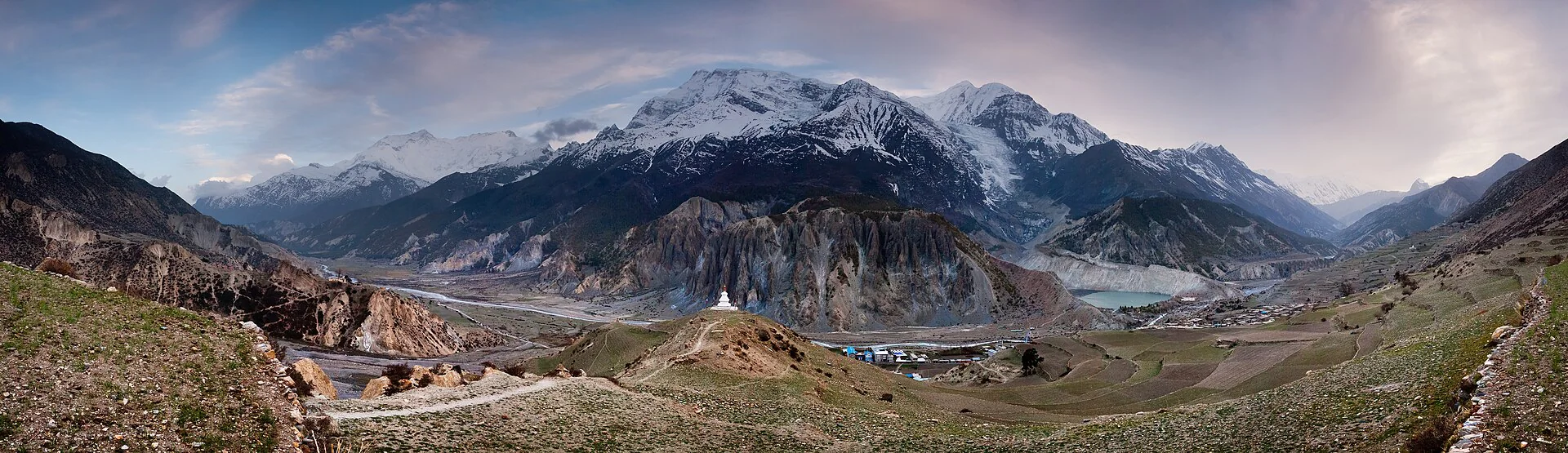
Ghorepani Poon Hill is a short Annapurna-region trek built around village trails and a viewpoint at approximately 3,210 metres. Four or five walking-and-transfer days from Pokhara give most first-time visitors more room than a tightly compressed two- or three-day dash. The right duration depends on your roadhead, stair fitness and whether you continue through Tadapani and Ghandruk.
It is a useful introduction to trekking in Nepal, but “short” does not mean flat. Expect stone steps, forest paths and significant downhill walking. The sunrise viewpoint is a highlight, not a guarantee of clear weather or the only reason to go.
Who is this trek for?
Poon Hill suits travelers who want a multiday walking experience without the prolonged high-altitude exposure of the Annapurna Circuit. It can work well for people testing their interest in lodge trekking before considering a longer journey. A willingness to walk steadily, carry day essentials and adapt to simple accommodation matters more than chasing a fast schedule.
It may not suit someone who needs smooth surfaces, consistently private bathrooms or a vehicle option at every overnight stop. Tell us about knee problems, balance concerns or a very limited walking history before choosing the route. These details help shape the first and final stages, where steps and descents can be demanding.
Choose a route shape
The familiar approach climbs toward Ulleri and Ghorepani. From Ghorepani, the Poon Hill walk returns to the same village before the onward trek. Continuing through Tadapani toward Ghandruk gives variety; returning by a shorter road connection can reduce the total time.
Roads have changed where the walking starts. Beginning above part of the Ulleri staircase is not equivalent to walking the older lower approach, even if both products use the same name. Ask for the transfer endpoint and the walking hours separately.
| Route style | Why choose it? | Trade-off |
|---|---|---|
| Ghorepani and return | Focus on a short viewpoint journey | More repeated trail |
| Ghorepani–Tadapani–Ghandruk | More village and forest variety | Additional walking and descents |
| Add Poon Hill to ABC | A longer Annapurna journey | More days and a separate higher-altitude plan |
The last option needs a fresh itinerary. It should not be created by adding a morning viewpoint to an already rushed Annapurna Base Camp trek.
A relaxed four-to-five-day outline
A first day can combine a Pokhara transfer with walking toward Ulleri or another agreed foothill stop. Continue through forest to Ghorepani, keep a separate early-morning Poon Hill visit, then use Tadapani and Ghandruk for the return where trail conditions allow. Add a night if this sequence would otherwise create a day longer than your comfortable walking range.
| Stop or excursion | Approximate elevation | Planning note |
|---|---|---|
| Ulleri | 1,960 m | A staircase-heavy approach from lower trailheads |
| Ghorepani | 2,880 m | Common overnight before the viewpoint |
| Poon Hill | 3,210 m | Visit and return; usually not an overnight |
| Tadapani | 2,630 m | Forest route with repeated rises and descents |
| Ghandruk | 1,940 m | Village finish or another overnight |
These elevations and the broad walking sequence are consistent with the Nepal Hiking Team panorama route. They describe the geography, not a confirmed booking. Allow roughly four to six hours on many walking days, with a longer day possible when sunrise and onward walking are combined.
Make sunrise optional, not compulsory
A viewpoint morning usually means leaving the lodge in darkness with a headlamp and warm layers. Ask the guide to set the start time for the season and group, rather than copying a time from an old blog. Keep your hands free and avoid stopping in the middle of a narrow path to arrange a photograph.
Cloud can hide the mountains even when the walk itself is enjoyable. If visibility is poor or the path is slippery, returning to breakfast is a reasonable choice. A second night in Ghorepani may give flexibility, but it still cannot purchase clear skies.
After returning, allow time to eat and repack before the next stage. Sunrise photographs are less appealing if they leave you exhausted for a long descent.
How to prepare for the stairs
Practise sustained uphill walking and controlled downhill steps in the weeks before travel. Wear the actual shoes you plan to bring and carry a modest daypack. Try walking on consecutive days so you know how your legs recover overnight.
Poles can help some walkers on long descents, but they should be adjusted and used before the trip. Keep a pace that allows conversation and short breaks. A route with fewer walking hours may still have a concentrated climb, so ask about both time and terrain.
The trek is lower than many Himalayan routes, but Ghorepani is still a meaningful sleeping elevation. CDC guidance recommends gradual ascent. Report symptoms rather than treating this as an altitude-free outing, and discuss individual health concerns before travel.
Seasons and what to expect
Spring is often chosen for the forest landscape and autumn for mountain views. Popular periods also bring busy lodges and more people at sunrise. Weather varies across the day: a clear morning does not mean you can leave waterproof layers in Pokhara.
Winter mornings can be cold, and shaded steps may be icy. During the monsoon, wet trail surfaces, leeches and road disruption can change the experience substantially. If you have fixed summer dates, ask about current road and trail conditions before committing to a rigid route.
Lodges, meals and everyday comfort
Teahouses provide a practical base for walking, with facilities that vary from village to village. Ask about shared bathrooms, bedding, hot showers and charging rather than assuming the room category matches a city hotel. A small torch within reach is useful even when you already carry a headlamp for sunrise.
Tell the team about dietary restrictions early and carry snacks you know you tolerate. Use a planned drinking-water treatment method and refillable bottles. Keep enough cash for agreed personal extras, while confirming exactly which meals and services are included in the written quote.
Permits and packing
NTNC includes Ghorepani/Poon Hill in ACAP. Check the NTB guide/TIMS notice for the complete chosen route before arranging paperwork.
Bring tested footwear, socks, waterproof clothing, a warm layer, headlamp, sun protection and personal medicines. A spare dry layer makes a greater difference at a cold viewpoint than a heavy change of city clothes. Confirm any equipment rental and porter arrangement in advance.
What should a useful proposal answer?
- Where does walking begin and how long is the first transfer?
- Which overnight villages are planned, and can a shorter stage be added?
- Is the route a return journey or a loop through Ghandruk?
- Are guiding, permits, meals, accommodation and transfers itemized?
- What happens if the viewpoint is unsuitable or the return road closes?
If you prefer a narrow ridge with higher viewpoints, compare Mardi Himal. For a lower village-focused option, see the Annapurna foothills hike. Share your Pokhara dates and walking preferences for a Poon Hill proposal built around the days you actually want to spend on the trail.
Sources & further reading
Travel information checked on 25 October 2026. Rules, fees and operations can change; check the linked authority again before you travel.
Let’s plan your Nepal journey.
Choose an itinerary or tell us what you have in mind.