Manaslu Circuit Trek: Route, Permits and Pass-Day Planning
Plan a Manaslu Circuit with time in the upper villages, a realistic Larkya La day and a current permit check for your group.
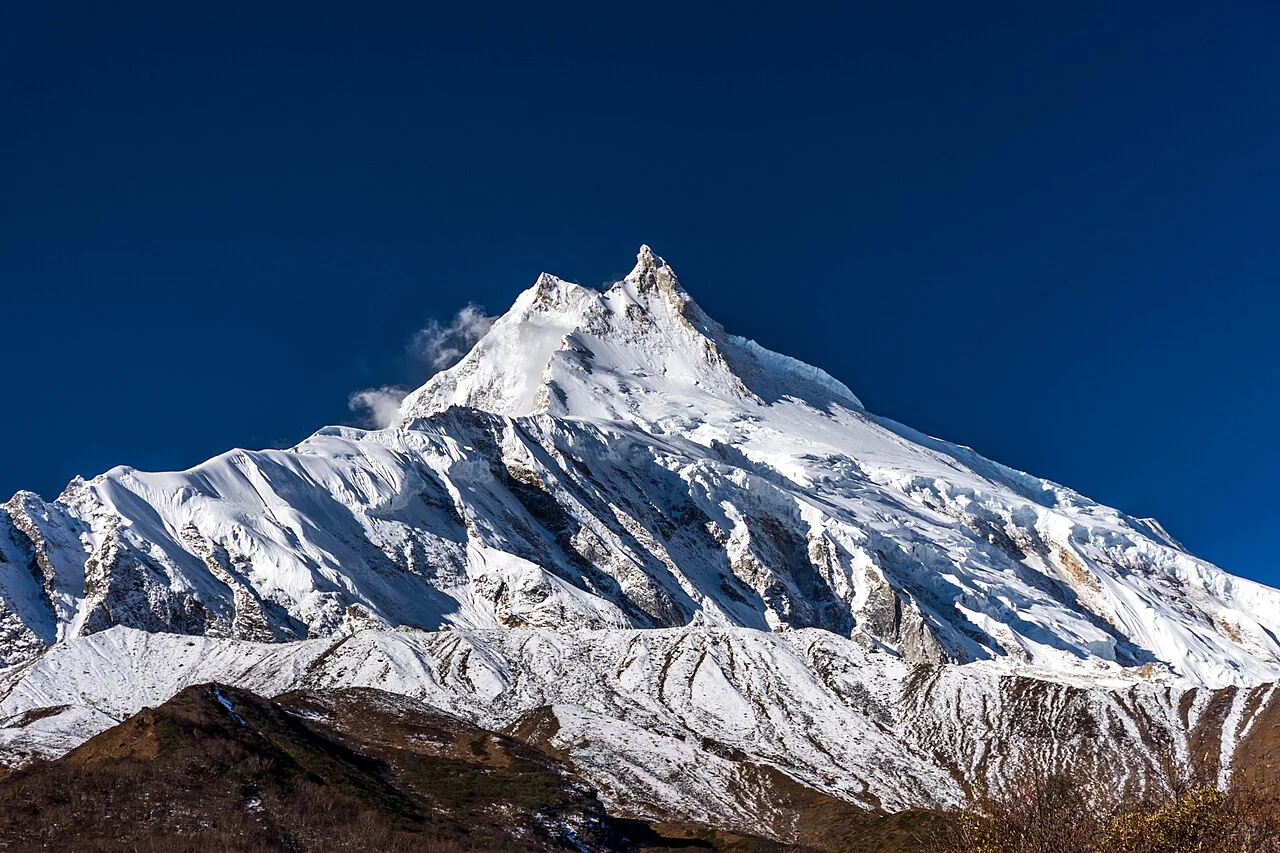
The Manaslu Circuit is a demanding Nepal trek through the Budhi Gandaki valley and over Larkya La, commonly mapped at about 5,106 metres. It requires more logistical planning than a short Annapurna foothill walk. A 16-day framework can include Kathmandu preparation, two upper-village acclimatization nights, the pass crossing and a measured road return, but additional contingency may still be needed.
Our 16-day Manaslu Circuit keeps the journey entirely within Nepal. It does not include a border crossing, a Manaslu summit attempt or an automatic Manaslu Base Camp excursion.
Is Manaslu the right choice for you?
Choose Manaslu because you want a sustained walking journey, a high pass and time in mountain villages. Be comfortable with consecutive long days, simple lodges and a plan that can change. If your main priority is predictable hotel comfort or a very tight return date, another trek may be a better fit.
The circuit’s relative remoteness is part of its character, but it also affects decisions. Supplies, transport and communication are not equally available at every stop. A clear plan should explain where you can add a night, where accommodation is limited and how the team would respond if someone cannot continue.
How the circuit fits together
A common direction begins near Machha Khola, follows the river through Jagat and Deng, then continues via Namrung and the upper villages toward Sama Gaun and Samdo. Dharamsala is the usual high overnight before crossing to Bimthang and descending toward Tilije and the road system on the Annapurna side.
| Route section | Character | Planning focus |
|---|---|---|
| Machha Khola–Jagat–Deng | River valley, steps and village paths | Long walking days and current trail access |
| Namrung–Lho–Sama Gaun | Higher settlements and mountain views | Gradual pace and overnight elevations |
| Sama Gaun and Samdo | Upper-valley nights | Acclimatization and flexible local walks |
| Dharamsala–Larkya La–Bimthang | High overnight, pass and long descent | Weather, lodging and turnaround decisions |
| Tilije and road return | Lower forest and transport connections | Road conditions and onward buffer |
Nepal Hiking Team’s circuit itinerary is a useful route benchmark. Our longer framework preserves extra time in Kathmandu and Samdo rather than treating the fastest published schedule as the default.
Understand the sleeping profile
Sama Gaun is approximately 3,530 metres, Samdo about 3,860–3,875 metres and Dharamsala about 4,460 metres. The pass is higher, but you descend to sleep after crossing. These figures explain why the nights before the pass matter as much as the headline maximum altitude.
The step from Samdo to Dharamsala remains substantial even after an extra Samdo night. A rest day does not make every subsequent ascent harmless. Review the route against your health and previous altitude response; the plan must allow delay, retreat or a different journey when appropriate.
NTB’s mountain-safety advice emphasizes gradual ascent and responding to illness. Report symptoms promptly, avoid climbing higher while unwell and seek help if symptoms worsen. A pass booking is never a reason to conceal how you feel.
Use acclimatization days properly
A second night at Sama Gaun can include a gentle village or lakeside walk. A second night at Samdo provides another opportunity to rest and reassess. Neither day needs to become a competition to reach the highest nearby destination.
Manaslu Base Camp is a separate high excursion. It should not be listed as a compulsory “rest-day” activity for everyone. Similarly, optional walks near Samdo must remain on the agreed Nepal route and comply with the permit. Do not assume a nearby border area is open simply because it appears on a trekking map.
Ask which local walks are planned, their highest points and what happens if you prefer to rest. A flexible day is useful only if choosing the lower option does not feel like failing the trip.
Larkya La is the decisive day
Plan for an early start and a long period on high, cold terrain followed by a sustained descent. Depending on the group and conditions, the crossing can take roughly eight to ten hours or longer. The guide should assess weather, snow, footing and individual readiness before committing to it.
Discuss the pass decision before reaching Dharamsala. Ask what equipment may be required, how the group stays together and what the retreat plan looks like. Rescue support should never be presented as an all-weather shortcut; weather and access can prevent a flight or delay assistance.
After the pass, leave time to descend and recover. Combining a difficult crossing with ambitious onward transport simply transfers pressure to the next day.
Restricted-area permits: use current information
Manaslu has restricted-area paperwork in addition to conservation-area entry. The NTB trekking-permit schedule lists different Manaslu rates for September–November and December–August, with additional-day charges beyond the first week. The charge depends on the permitted dates, not merely the total holiday length.
The circuit also involves Manaslu and Annapurna conservation-area arrangements; NTNC’s route guidance identifies the areas it manages. Ask for every permit and any local charge to be itemized in your quote.
A single client can request a guided restricted-area journey. Radio Nepal’s 24 March 2026 report, quoting the Department of Immigration, says individual trekkers can apply through an agency and must have a trekking guide. This supports the reported change from older minimum-party rules. Ask the arranging agency to confirm the current Immigration requirements, permit dates and documents for your circumstances. Permission to apply as one traveler does not mean permission to walk independently without the required arrangements.
Seasons and practical logistics
Spring and autumn are the usual seasons to investigate, but access depends on actual weather and trail conditions. Early or late in those periods, snow and cold can change the upper stages. Monsoon roads and winter pass conditions deserve specific consideration rather than a generic year-round promise.
Confirm the Kathmandu–trailhead vehicle, the road-return point and whether the journey is split with an intermediate overnight. A proposed driving duration is an estimate, not an appointment. Keep international-flight contingency outside the minimum circuit schedule.
Lodges become more basic and capacity more constrained higher on the route. Ask about room sharing, bedding, bathrooms, charging and food availability. Dietary requirements should be agreed early. Carry essentials and water treatment without expecting continuous shops or reliable internet.
What to ask for in a quote
Request a daily route with sleeping elevations; the permit dates and fees; guiding and porter arrangements; accommodation and meal basis; transport; personal extras; and the cost implications of additional nights. Check insurance for the high point and activity, along with its evacuation approval process.
Bring tested boots or shoes, weatherproof layers, warm gloves, a headlamp, sun protection and personal medicines. Discuss any seasonal traction equipment and the skills needed to use it. Do not assume rental gear or porter support is supplied unless it appears in the proposal.
If you want a road-accessed valley trek without a compulsory high pass, compare Langtang. If Manaslu fits your experience, send your dates and previous multiday trekking background. We will discuss a Nepal-only circuit with clear logistics, current permit checks and time to make sensible decisions in the upper valley.
Sources & further reading
Travel information checked on 25 October 2026. Rules, fees and operations can change; check the linked authority again before you travel.
Let’s plan your Nepal journey.
Choose an itinerary or tell us what you have in mind.