How to combine a Nepal trek with a relaxed Pokhara holiday
Build a balanced Nepal itinerary with time for preparation, a suitable walking route, recovery in Pokhara and realistic onward connections.
A balanced trek-and-Pokhara holiday gives each part of the journey enough time: preparation before walking, a route suited to the group, unhurried days afterward and a realistic return connection. Start with the number of usable days you have, then choose the trek. Trying to fit the longest possible route into a short holiday usually removes the flexibility that makes the rest enjoyable.
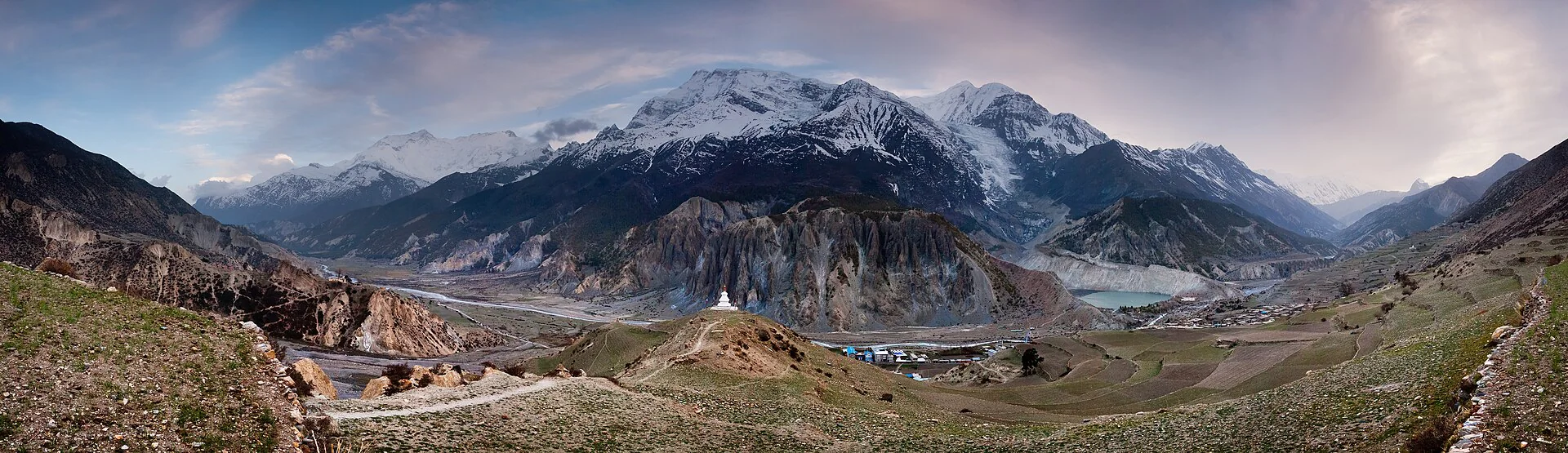
Pokhara is especially useful for Annapurna-region itineraries. The Nepal Tourism Board’s Pokhara guide describes its connection with the Annapurna region and the range of lake and outdoor activities. It can be a destination in its own right rather than merely a place to change vehicles.
Count full days before choosing the route
Write your international arrival and departure times first. Add travel between cities, any preparation meeting and the return from the trail. Only then count the days available for walking and leisure. An arrival evening or an early-flight morning is not the same as a full day in Pokhara.
Put fixed commitments in one column and flexible ideas in another. This helps you see which part of the trip must move if a transfer changes. If everything is fixed, the itinerary has little room to respond to ordinary travel disruption or a change in how you feel.
Ask your organizer to show the complete journey on one schedule. Hotel nights, trek nights, transfers and optional activities should fit together without relying on unstated overnight travel.
Choose the kind of walking you want
| Priority | A useful direction to explore |
|---|---|
| A few days of village walking | A foothills itinerary with clearly described steps, climbs and transfers |
| A longer mountain journey | A trek with enough days for its walking stages and acclimatization needs |
| Culture with occasional walks | Kathmandu Valley visits plus Pokhara, with optional day walks |
| A mixed-interest family or group | A common base with separate optional activities and shared free time |
Short does not automatically mean easy. A three-day route can involve sustained stairs and repeated ascent and descent. Ask for walking hours, trail surfaces, approximate elevation change and the location of each overnight stop.
The Annapurna Foothills Hike is a useful starting point for a shorter walking holiday. The Annapurna Base Camp Trek is a different commitment and should be assessed from its full itinerary, not chosen simply because it shares the Annapurna name.
Protect preparation time in Pokhara
Arrive with time to meet your guide, review equipment and check the details that are difficult to resolve once walking begins. Confirm the starting point, vehicle transfer, baggage arrangements, accommodation style and how you will communicate during the trek.
Use a practical equipment check rather than a shopping list copied without reference to the route. Bring the footwear you intend to use and discuss layers, weather protection and the bag you will carry each day. Ask what can be hired, what is included and what needs advance reservation.
If leaving a suitcase behind, agree storage with the hotel or provider and keep a receipt or written record. Make sure essential documents and medication stay accessible. Confirm whether you return to the same place after the trek.
Give altitude its own planning space
For a higher route, review sleeping elevations and acclimatization days separately from sightseeing time. Extra days beside the lake do not replace the ascent pattern needed later on the trek. A lower-altitude extension may make the holiday more varied, but it should not be marketed as proof that a traveler is acclimatized for a high pass.
Our altitude and acclimatization guide explains the questions to take to an organizer and a qualified clinician. If your available days do not suit a route’s requirements, choose another itinerary instead of deleting the days intended for adaptation.
Let the whole group agree that plans can change. A traveler should not feel compelled to continue because the rest of the holiday has been booked too tightly.
Confirm permits and guiding for the actual route
Check requirements against the places you will enter, not against the broad label “Annapurna trek.” Nepal Tourism Board publishes its TIMS guidance, and the National Trust for Nature Conservation permit portal provides conservation-area information. Requirements and fees should be verified for the current itinerary and traveler category.
Ask who obtains each document, which personal details are needed, when copies will be available and whether the charge is included. If the route changes, the organizer should check whether the existing arrangements still apply.
Do not assume that a short walk is exempt from every requirement or that one permit covers every possible extension. Keep the final approved route and relevant documents together.
Leave a genuinely free day after the trek
The first day back does not need to prove how much energy you have left. Keep a flexible lake walk, an unhurried meal or a museum visit available, then decide how you feel. Avoid making a demanding activity the unavoidable centerpiece of the first morning after several walking days.
The International Mountain Museum offers a way to connect a mountain journey with the history and communities behind it. Or choose an idea from our Pokhara activity guide and leave the rest of the day open.
If you want a specific activity, book it with clear change conditions and identify a second possible day. Let weather-sensitive options remain options until their operation is confirmed.
Three ways to shape the holiday
Walking first, Pokhara afterward: suitable when the trek is the main purpose and you want time to relax after it. Keep enough preparation time at the beginning rather than rushing straight from a transfer onto the trail.
Pokhara before and after: useful when you want to settle in, check equipment and return to a familiar base. Agree luggage storage and whether you will use the same hotel.
Culture, walking and lake time: combine the Kathmandu Valley Discovery with an appropriate walking route and Pokhara. This adds variety, but the extra city transfer must be counted honestly within your available days.
These are structures for a custom proposal, not fixed departures. Compare your priorities with any available scheduled departures, then ask which parts can be extended privately.
Budget for the joins between the main experiences
Check whether the quote includes city hotels, airport transfers, trailhead transport, meals on free days, entry tickets, permits and optional activities. Clarify the room arrangement and any single-room charges. Ask which expenses you should expect to pay directly during the trek and in Pokhara.
For transport, compare Kathmandu–Pokhara options and the conditions of any domestic flights. Leave a suitable buffer before a fixed international departure and understand who pays if the plan needs another night.
Turn the outline into your own journey
Everest Encounter is operated by Pokhara Flight Centre Tours & Travel Pvt. Ltd.. In your custom-trip request, give your usable dates, group size, walking experience, comfort preferences and the balance you want between trekking and time in Pokhara.
For the ground connections, Pokhara Flight Centre’s vehicle-services page includes trekking gateways and intercity routes. Use the final itinerary to agree the exact pickup point and vehicle rather than assuming a named destination fixes every transfer detail.
List the two or three things that matter most, and say what you are happy to leave out. A clear set of priorities helps produce a coherent holiday: a suitable walk, useful flexibility and time to enjoy Nepal beyond the trail.
Sources & further reading
Travel information checked on 25 October 2026. Rules, fees and operations can change; check the linked authority again before you travel.
Let’s plan your Nepal journey.
Choose an itinerary or tell us what you have in mind.