Best time to trek in Nepal: choose the season for your route
Compare Nepal’s trekking seasons by route, altitude and travel style, then choose dates with room for weather and transport changes.
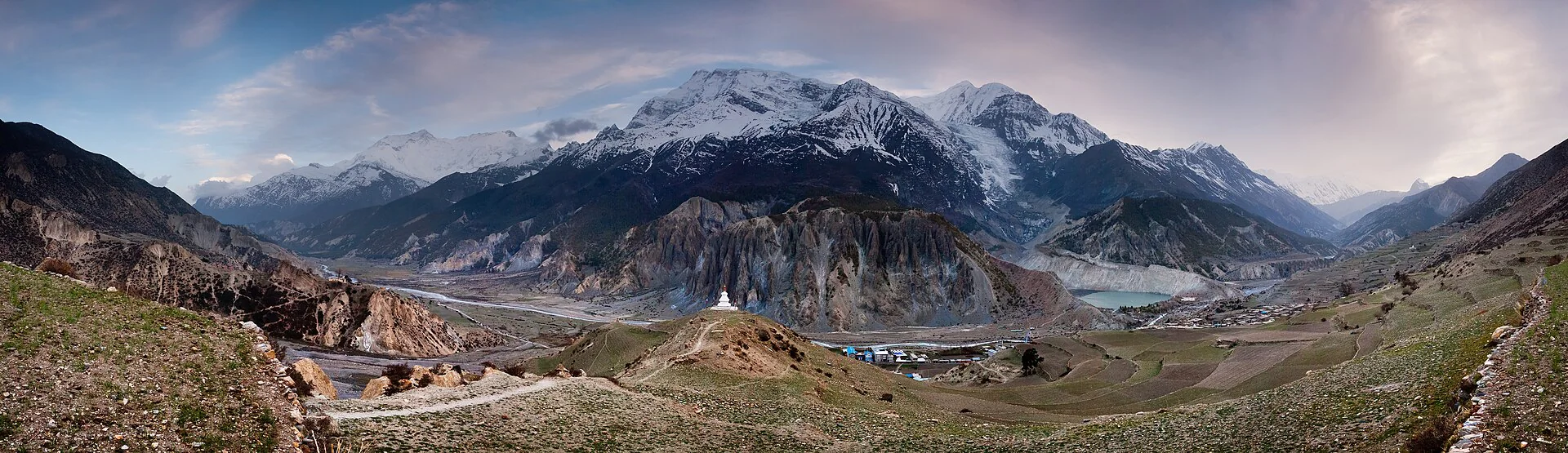
For most travelers considering Everest, Annapurna or Langtang, spring and autumn are the strongest starting points for choosing trekking dates. They are not interchangeable, and neither guarantees clear skies. Choose your route, highest overnight altitude and available travel time first; then choose the month that best fits those requirements.
Nepal Tourism Board identifies spring and autumn as the main trekking seasons, with much of the annual rain concentrated in June–September and clearer conditions commonly following the monsoon. Its climate guidance also emphasizes how sharply conditions differ by altitude and region. That is why a sunny afternoon in Kathmandu says little about the conditions at a high overnight stop. Nepal Tourism Board climate guidance.
A practical season comparison
| Period | Why consider it | What to plan around |
|---|---|---|
| March–May | A strong starting window for the main mountain routes | Confirm snow conditions at the upper end of your itinerary; do not pack only for warm city days |
| June–September | A possible fit for carefully selected routes and flexible travel | Check rainfall, road access, river crossings and the exact trail; avoid treating all Nepal as one weather zone |
| October–November | A strong starting window for mountain walking and photography | Build your plan early and confirm both accommodation and transport before committing |
| December–February | A possible fit for lower routes and experienced cold-weather travelers | Shorter days, cold nights and route-specific snow conditions require a different plan |
The Nepal Tourism Board’s trekking overview distinguishes the rain-shadow landscapes of Manang and Mustang from wetter southern approaches and notes shorter winter days and possible spring rain or snow. A relatively dry destination does not make its access road or connecting flight weatherproof. NTB trekking overview.
Spring: decide which part of the journey matters most
If you are drawn to walking through the middle hills before reaching high mountain country, begin by comparing spring itineraries. Look at the actual sequence of overnight stops rather than choosing a departure because a photograph shows flowering trees. A route with many forest days offers a different experience from one that quickly reaches open, high terrain.
Early and late spring also deserve separate conversations. Ask what conditions are expected at the highest section on your dates, whether any optional viewpoint is realistic, and what alternative is available if the upper trail is unsuitable. A general seasonal recommendation cannot answer those questions for a specific week.
For a first Himalayan journey, it can be useful to choose a route with several worthwhile stopping points. The trip should still feel rewarding if you shorten the final high excursion. That is a more resilient plan than defining the entire holiday around one photograph from one viewpoint.
Autumn: leave space around the trek
October and November are natural months to investigate if long-distance mountain views are a priority. Start with the full calendar: arrival, preparation, the trekking itinerary, transport contingency and departure. The walking days alone do not represent the time you need away from home.
When comparing proposals, check whether the operator has counted an arrival afternoon as a preparation day and a morning domestic flight as a reliable connection to an international departure. Those assumptions may make an itinerary look shorter without making the journey easier to manage.
If your leave dates are fixed, share the immovable international flight date before discussing the trek. It is better to choose a route that fits the calendar honestly than to spend the final mountain days negotiating a rushed descent. Our Everest Base Camp planning guide explains this distinction for the Khumbu.
Winter: choose the experience, not a discounted headline
A winter trip should be designed around winter. Ask about available lodges, the expected walking surface, daylight, equipment and the decision process if a route becomes unsuitable. A lower trek with village time may fit your interests better than a shortened version of a high-altitude itinerary.
There is no universal winter packing list that works for every route. The necessary sleeping system and clothing depend on the planned overnight elevations and the conditions near departure. Before renting equipment, obtain a route-specific list and compare it with what you already own. The packing guide offers a useful starting framework.
Treat any promise of guaranteed mountain views or guaranteed trail access cautiously. An attractive winter photograph records one moment; it does not establish what your walking week will be like.
Monsoon: assess the journey to the trail as carefully as the trail
If June–September is your only travel window, explain that at the beginning of the planning conversation. The right response may be a different region, a shorter walk or a broader Nepal itinerary with flexible hiking days. It should not simply be the standard itinerary with the month changed.
Check current official notices close to travel. Nepal Tourism Board publishes route and weather-related travel alerts, and the Department of Hydrology and Meteorology provides tourism weather information. Read the issue date and the affected location; an old notice or a forecast for a different valley is not a route clearance. NTB travel updates, DHM tourism weather.
Ask how the plan changes if the approach road is interrupted, the return journey is delayed or a bridge is unavailable. Confirm who makes those decisions and how additional transport or accommodation would be priced. These practical answers matter more than a general claim that a region is suitable all year.
Match the season to the route
For Everest Base Camp, discuss both high overnight stops and Lukla flight arrangements. For Annapurna Base Camp, ask about the upper sanctuary trail and current access to the chosen roadhead. For Langtang Valley, compare the time spent walking with the time allocated to the road journey.
Do not assume that two routes with the same difficulty label need the same equipment or flexibility. Review the highest sleeping altitude, longest walking day and most weather-sensitive transport link separately. Those three details often explain more than a single label such as “moderate.”
If the mountain objective is flexible, keep two possible routes on the shortlist until your dates and current conditions are clearer. If the objective is fixed, be more flexible about the travel window and total duration.
Questions to ask before confirming dates
- Which overnight stop is the highest, and what conditions should we prepare for there?
- What is the longest walking day in this version of the route?
- Which transport connection is most vulnerable to disruption?
- Are the proposed lodges and services operating on these dates?
- What would make the guide change the route or turn around?
- How many genuinely uncommitted days remain before the international flight?
- Which changes are covered by the quotation, and which would cost extra?
Send your preferred month, total days and walking experience through the Nepal trip planner. A useful seasonal recommendation starts with those details and ends with a route you can enjoy at a sensible pace.
Sources & further reading
Travel information checked on 25 October 2026. Rules, fees and operations can change; check the linked authority again before you travel.
Let’s plan your Nepal journey.
Choose an itinerary or tell us what you have in mind.