Altitude and acclimatization in Nepal: plan the ascent, not just the summit
Understand sleeping altitude, sensible itinerary questions, warning signs and the preparation that belongs before a high-altitude Nepal trek.
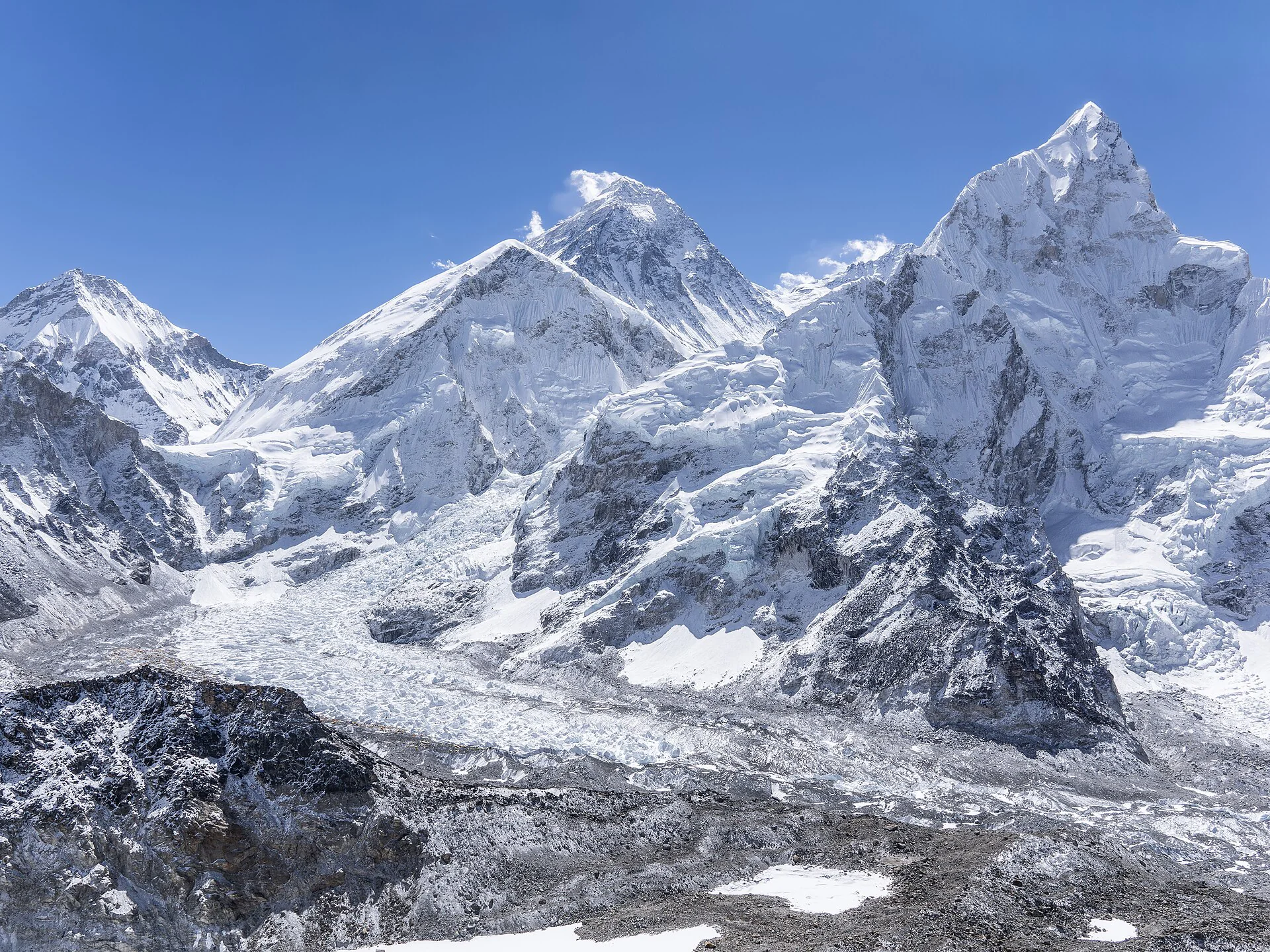
High-altitude trekking in Nepal needs an itinerary that allows time to adapt, a clear response when someone becomes unwell, and enough flexibility to turn back. Fitness helps with walking; it does not make anyone immune to altitude illness. Compare the elevation where you sleep each night, not only the highest viewpoint in the trip description.
This is general preparation information, not a diagnosis or a personal medical plan. Discuss your intended route and relevant medical history with a qualified travel-health clinician before departure.
The first distinction: walking high and sleeping high
A day’s maximum elevation and its overnight elevation answer different questions. A viewpoint excursion may reach considerably higher than the lodge you return to. Conversely, a short walk can still involve a large increase in sleeping altitude. Ask for both figures in your itinerary, together with the previous night’s location.
The CDC Yellow Book’s altitude guidance identifies ascent rate and sleeping elevation as important considerations. It notes that unacclimatized travelers can develop illness at around 2,450 metres and sometimes lower. Above 3,000 metres, its general guidance limits sleeping-elevation increases to about 500 metres a day, with an additional acclimatization day for each 1,000 metres gained. These are planning principles, not a promise that a particular itinerary will suit everyone.
Read a proposed trek horizontally, one night after another. A rest day near the beginning does not automatically justify every faster stage later. A lower-valley holiday also does not prove that you are ready for a rapid transfer to a high lodge.
What a useful itinerary should show
| Information to request | Why it helps your decision |
|---|---|
| Every overnight village and approximate elevation | Makes the pattern of ascent visible |
| Highest planned point each day | Separates optional viewpoints from essential travel |
| Days with a second night in the same place | Shows where the schedule allows adaptation |
| Optional walks and turnaround points | Makes it easier to choose a shorter day |
| A lower route or early-return option | Gives the group an alternative before a problem occurs |
| Transport and international-flight buffers | Reduces pressure to continue simply to keep a booking |
Ask how the itinerary changes if one traveler needs more time. A satisfactory answer should cover accommodation, companions, guide responsibilities, transport and potential extra costs. “We will see when we get there” is not enough detail for a major decision.
Symptoms deserve attention early
A new headache after ascent, especially with nausea, poor appetite, dizziness or unusual tiredness, should be reported promptly. Do not assume that being young, experienced or physically strong rules out altitude illness. The NHS altitude-sickness guidance advises telling a companion, resting at the same altitude and not going higher while symptomatic.
Confusion, difficulty walking or coordinating movement, breathlessness at rest, or marked drowsiness can indicate a serious emergency. Seek urgent medical help and arrange descent as soon as it is safe. Do not leave the person alone. Worsening symptoms need action rather than another climb to “see how it goes.” The NHS explains that severe altitude illness can be life-threatening.
Guides and companions should know that you want symptoms discussed without embarrassment. Make that agreement before the trek. A change of plan is a normal part of responsible mountain travel, not a failed holiday.
Prepare your health conversation before traveling
Bring the actual itinerary to a clinician rather than asking whether “Nepal is safe.” Include the highest sleeping place, any flight or vehicle ascent, the trip length and your return schedule. Mention relevant heart or lung conditions, previous altitude problems, pregnancy, regular medication and any recent change in health.
MedlinePlus guidance on acute mountain sickness explains the importance of ascent speed, exertion and existing health issues. It also describes descent as central to treatment. Medication decisions belong with a clinician; this guide does not prescribe prevention or treatment, and carrying tablets is not a substitute for an appropriate route or emergency plan.
Write down the advice you receive, including what would mean postponing travel. If medication is prescribed, discuss its practical use, side effects and storage with the prescriber. Share relevant information privately with the trip organizer and guide before departure.
Daily communication matters more than a brave face
Choose a simple check-in routine with your guide: before leaving, during the day and after arriving. Describe what has changed since the previous stop. If language is a concern, write down the words you will need and identify who can contact medical assistance.
Keep these questions in your daypack or phone:
- Where are we sleeping tonight, and how much higher is it?
- Which parts of today’s walk are optional?
- What is the return route if I become unwell?
- Who stays with a traveler who stops?
- How do we contact help if mobile reception is unavailable?
- Who can authorize changes to accommodation or transport?
A number on a device should never overrule how someone feels or delay help. Ask the clinician and guide how any monitoring equipment is intended to be used; avoid treating a single reading as permission to ascend.
Insurance and evacuation planning
Read the policy wording for the exact activity and maximum altitude, including any optional viewpoint or pass. Ask the insurer to clarify trekking, helicopter evacuation, medical treatment, search or rescue, exclusions and the authorization process. Retain the answer and emergency contact details offline.
A helicopter should not be treated as an instantly available backup. Ask the organizer how a person would be accompanied and moved while assistance is being arranged. The practical plan needs to work even if a telephone call, vehicle or aircraft cannot be obtained immediately.
Confirm who communicates with the insurer, what documents might be requested and who handles payments if an expense must be paid before reimbursement. An operator’s willingness to help does not establish that your policy covers the bill.
Choose a route you can change
If your dates are short, consider a lower-elevation walking holiday instead of compressing a high route. The Annapurna Foothills Hike offers a different style of mountain journey, while the Kathmandu Valley Discovery focuses on cultural visits. Neither should be described as a training test that guarantees readiness for a higher trek.
For longer routes, compare the full daily stages of the Everest Base Camp Trek and Annapurna Base Camp Trek, then discuss the pace rather than choosing on the headline duration alone.
Use the Nepal trip-planning hub to organize your dates, priorities and practical questions. When you request an itinerary, include your walking experience, previous altitude experience, available days and any need for a slower pace. The aim is a route you understand and can adapt, with medical advice obtained separately where needed.
Sources & further reading
Travel information checked on 25 October 2026. Rules, fees and operations can change; check the linked authority again before you travel.
Let’s plan your Nepal journey.
Choose an itinerary or tell us what you have in mind.