
Things to do in Pokhara: choose a day that fits your pace
Plan lakeside time, mountain viewpoints, museums and optional adventures around your interests, energy and the weather.
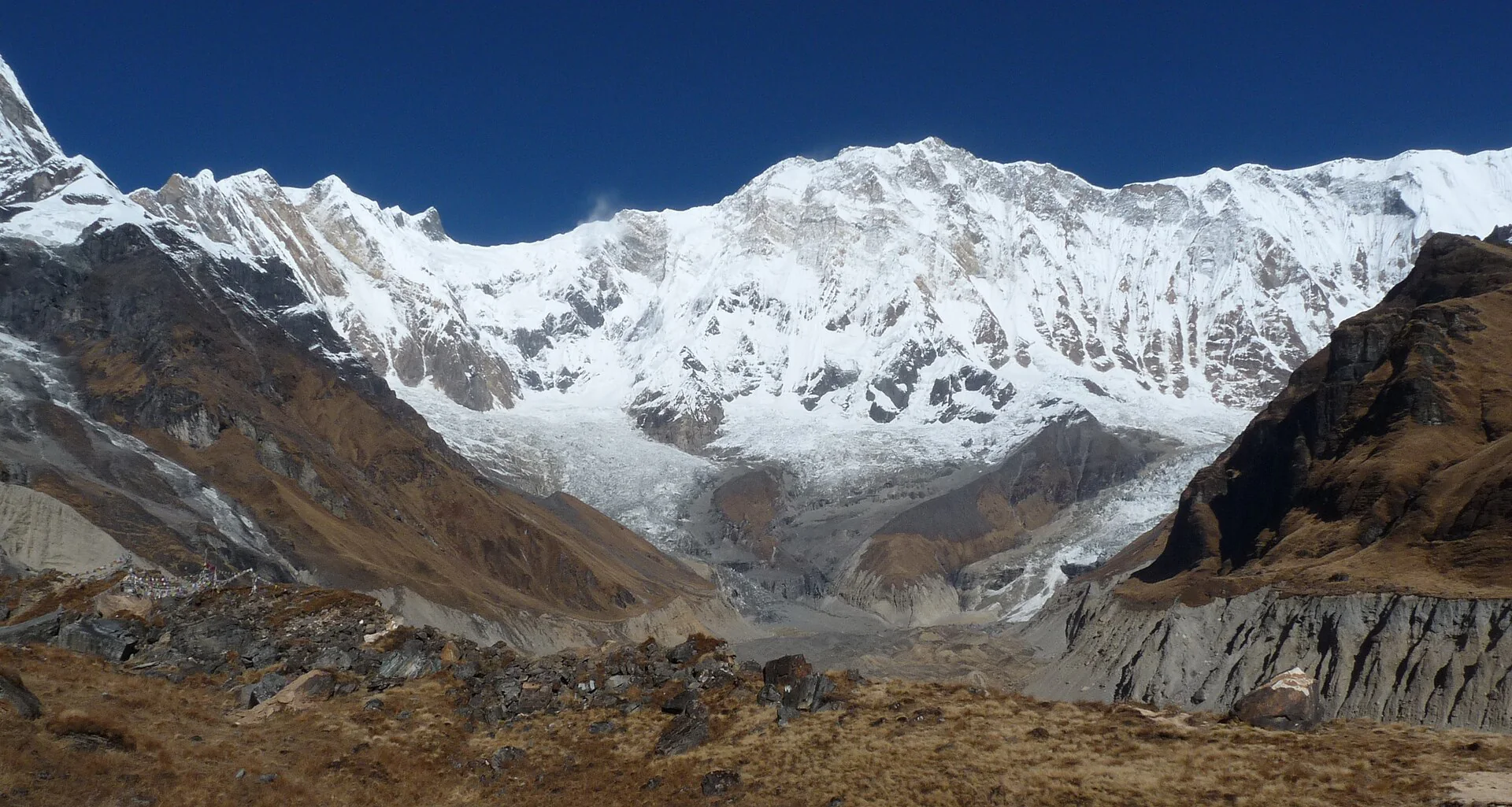
Pokhara works well as both a holiday destination and a base before or after an Annapurna trek. Build your stay around a few priorities: time by the lake, one viewpoint if conditions suit, and an activity that adds context to the mountains. You do not need to fill every hour with an excursion.
The Nepal Tourism Board’s Pokhara guide presents the city as a gateway to the Annapurna region, with boating, walking and other outdoor activities. Use that range to build a balanced visit rather than treating the city as a checklist of attractions.
Start with Phewa Lake and Lakeside
A walk by the lake is an easy first plan to adapt after a transfer or trek. Choose a section that suits your walking tolerance, leave time to sit down, and decide later whether you want a boat outing. Lakeside also makes a useful meeting point for reviewing the next part of your journey.
Nepal Tourism Board’s boating page describes boating on Phewa and other Pokhara lakes. Before boarding, confirm the route, duration, current conditions, lifejackets in suitable sizes and the total charge. If a child or non-swimmer is joining, discuss their needs directly with the provider. Do not assume a short crossing and a longer sightseeing trip include the same service.
A lake outing can be the main event of a relaxed day. Pair it with one nearby meal or visit rather than arranging several timed pickups around it.
Choose one viewpoint, with a backup
Sarangkot and the World Peace Pagoda are common options when mountain views are a priority. They are different experiences: decide whether you want a vehicle-supported visit, a walk, a quiet cultural stop, or simply a chance of a clear panorama. The Pokhara Tourism Council’s monuments guide describes the Peace Pagoda on the hill south of Phewa Lake.
Ask about the actual walking surface, steps and vehicle access before booking. “Suitable for everyone” is less useful than a clear description of the route. An early start is only worthwhile if you are comfortable with it; weather can still obscure the mountains.
Have a lower-pressure alternative ready. If visibility is poor, swap the viewpoint for a museum, a shorter local walk or a free morning. Avoid promising yourself a particular photograph as the measure of a successful day.
Give the mountains some context at a museum
The International Mountain Museum is an option for travelers interested in mountain communities, environments and mountaineering history. Its own website lists galleries covering mountain people, mountains and mountain activities. Check current visitor information before travel rather than relying on an old opening-hours screenshot.
Plan enough time to engage with a few exhibits instead of rushing through every room. Before a trek, choose questions you want to understand better: who lives in the regions you will visit, how climbing differs from trekking, or how mountain livelihoods have changed. After a trek, the visit can help connect places you have seen with a wider story.
A museum day also gives a mixed-interest group a useful alternative when some travelers do not want another demanding outdoor activity.
Explore beyond the busiest lakefront
If you want a quieter outing, discuss another lake, a neighborhood walk or a village visit. Explain what “quiet” means to you: less driving, fewer crowds, time for photography, or a place to sit with a view. Those preferences can lead to very different routes.
Keep everyday life at the center of a community visit. Ask before photographing people, do not enter homes or working courtyards without permission, and let residents decide whether they want to engage. Shopping or a meal should be a choice, not an obligation added to a sightseeing stop.
For travelers who want a proper walking journey, the three-day Annapurna Foothills Hike is a separate itinerary. It needs preparation for stairs, uneven trails and overnight arrangements; it is not interchangeable with a lakeside stroll.
Adventure activities: ask the practical questions first
Pokhara’s activity menu can include experiences such as paragliding, cycling and helicopter sightseeing, but availability and suitability need checking for your dates. A listing on a website is not evidence that a specific activity is operating today.
Before committing, ask:
- Who actually operates the activity, and who takes the booking?
- What age, weight, mobility or health restrictions apply?
- What equipment and briefing are provided?
- What insurance or participant cover is included, if any?
- What happens if weather or another operational issue prevents it?
- Which transport, photographs or other extras are included?
Read the conditions yourself and discuss relevant health questions with a clinician. Do not choose an activity because another traveler says it was easy. If helicopter sightseeing interests you, read our Annapurna helicopter planning guide before comparing quotes.
Simple ways to arrange your days
| Time available | A manageable outline |
|---|---|
| One full day | Lake time plus either a museum or a viewpoint, with an unhurried lunch |
| Two full days | One city-and-lake day; one viewpoint, village or pre-booked activity day |
| Three full days | Add a flexible day for a preferred activity, a shorter walk or weather changes |
| After a trek | Keep the first day light; decide later whether you want more walking |
These are planning ideas, not fixed packages. If you have an early departure or a late arrival, do not count that date as a full sightseeing day. Families and travelers with limited mobility may prefer fewer stops with longer breaks.
For a mixed group, agree one shared activity and allow separate interests around it. Everyone does not need to book the most demanding option for the holiday to feel shared.
Keep the practical details together
Before a pickup, save the location, meeting time, provider’s contact and what you should carry. Ask whether entry tickets and guide services are included or paid separately. For a hill walk, request the distance, approximate ascent, expected time and turnaround arrangement.
Keep a light layer and weather protection accessible, and plan water and food around the activity. Use designated disposal points and take packaging back with you when none are available. At religious places, follow local guidance on clothing, footwear, photography and areas closed to visitors.
Make Pokhara part of a complete Nepal holiday
Everest Encounter is operated by Pokhara Flight Centre Tours & Travel Pvt. Ltd.. Tell us what you want from Pokhara—rest, walking, cultural context, family time or a particular activity—through the custom-trip form. The proposal should state which arrangements are included and which remain optional.
If paragliding is on your shortlist, Pokhara Flight Centre’s Pokhara paragliding page provides a relevant inquiry starting point. Confirm the actual activity provider, operating location, suitability and conditions for your date; the page alone does not confirm a flight.
Compare Kathmandu–Pokhara transport before fixing your hotel nights. If walking is the main reason for traveling, our trek and Pokhara holiday guide explains how to protect useful time at both ends of the journey.
Sources & further reading
Travel information checked on 25 October 2026. Rules, fees and operations can change; check the linked authority again before you travel.
Let’s plan your Nepal journey.
Choose an itinerary or tell us what you have in mind.