Gokyo Lakes Trek: Planning the Valley, Viewpoint and Return
Choose a Gokyo itinerary with time to acclimatize, a clear Gokyo Ri plan and realistic flexibility around Lukla travel.
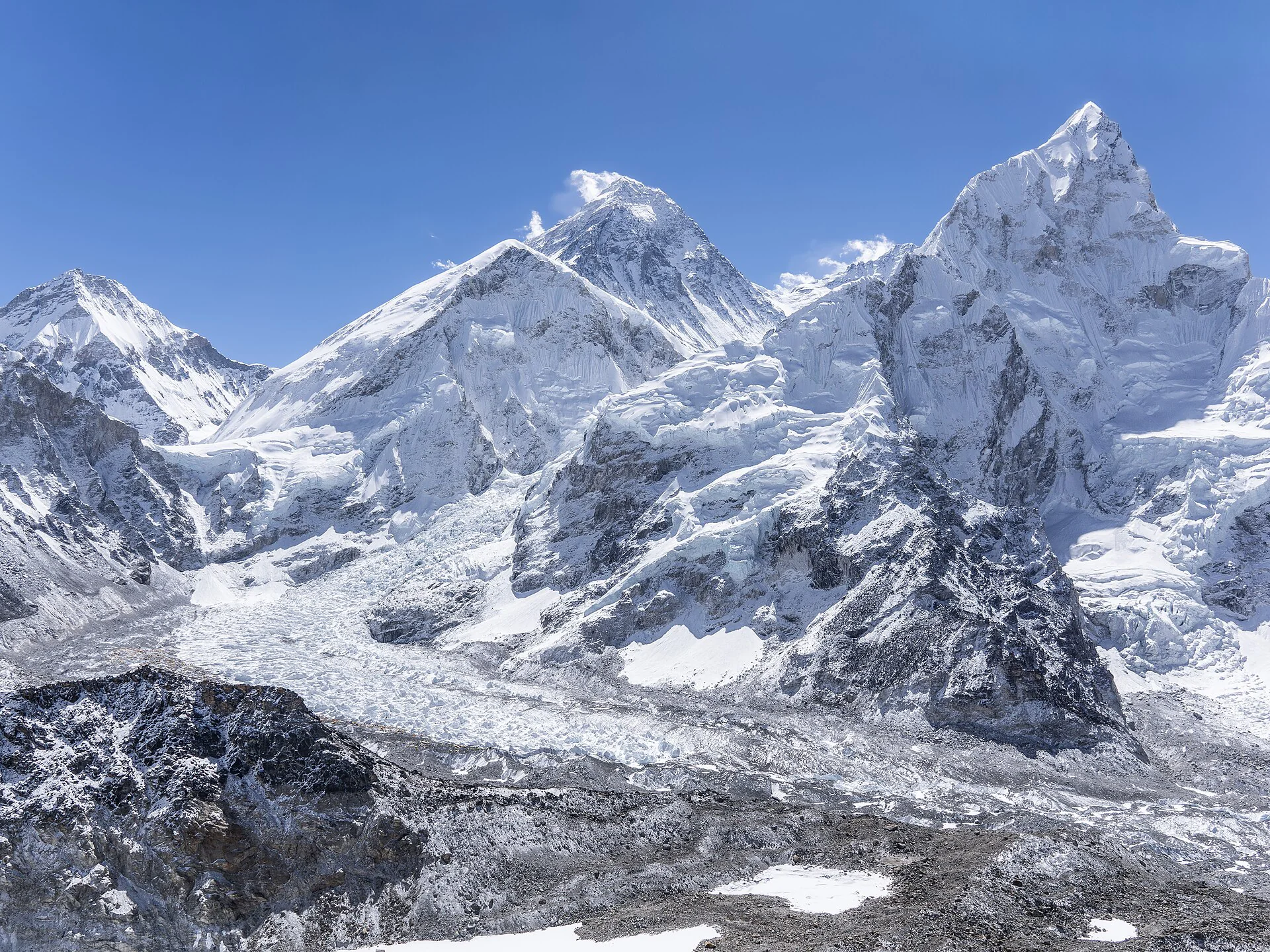
The Gokyo Lakes trek follows the Khumbu approach through Namche Bazaar before turning toward the Gokyo valley and its high lakes. Gokyo village is around 4,790 metres, while an optional Gokyo Ri climb reaches approximately 5,360 metres. Allow a generous two-week-plus Nepal window for walking, acclimatization and flight contingency; the exact number of days depends on access, pace and extensions.
A standard Gokyo return trek does not automatically include Everest Base Camp, Cho La or Renjo La. Each is a separate route choice that changes the effort, risk and time. Start by deciding whether your priority is the lakes and valley, a viewpoint climb or a longer pass-crossing journey.
Why choose Gokyo rather than the EBC trail?
Gokyo suits travelers drawn to a high-lake landscape and an extended stay in one upper valley. Much of the initial approach is shared with other Khumbu treks, but the route then turns away from the main Everest Base Camp direction. You still spend several nights at significant altitude and need a careful ascent.
The quieter-trail reputation should not be treated as a guarantee of solitude. Popular seasons can be busy, and lodges have finite rooms. A good plan is built around suitable overnight stages and available accommodation, not a promise that a celebrated destination will be empty.
If you mainly want to stand at Everest Base Camp, choose that objective directly. If you want both, request a longer combined route rather than assuming the valleys connect by an easy afternoon walk.
Lukla access affects the whole holiday
Flight arrangements to Lukla may involve Kathmandu or another operating airport, including a road transfer when Ramechhap is used. The departure airport, check-in plan and ground connection need reconfirmation for your travel dates. Do not copy an old flight timetable into an otherwise current itinerary.
Weather can delay both the inbound and outbound journey. A buffer after the trek protects your international connection better than a promise that a helicopter will solve every cancellation. Alternative transport has cost, access and weather limitations of its own.
Before booking, ask what is included if a flight is delayed, which expenses remain yours and who changes the lodge and transport arrangements. Put this beside the route map when assessing a proposal; it is part of the trip, not administrative fine print.
Look closely at the upper-valley stages
A typical route passes Phakding and Namche, allows time around Namche, then approaches Dole, Machhermo and Gokyo. Some schedules jump quickly from Namche to a much higher sleeping place. Ask for an intermediate stop or additional night where the ascent would otherwise outpace your acclimatization.
| Place | Approximate elevation | What to discuss |
|---|---|---|
| Phakding | 2,610 m | Initial walking after Lukla arrival |
| Namche Bazaar | 3,440 m | Extra night and flexible local walk |
| Phortse-area alternative | Around 3,800 m | Possible stage to divide the higher approach |
| Dole | About 4,200 m | Sleeping elevation and recent ascent |
| Machhermo | About 4,470 m | Another chance to pause before Gokyo |
| Gokyo | About 4,790 m | Lake walks and viewpoint readiness |
| Gokyo Ri | About 5,360 m | Optional high visit, then descent |
The main valley sequence and elevations are benchmarked against Nepal Hiking Team’s Gokyo route. This table is not a fixed itinerary: actual stops should respond to accommodation, conditions and your previous nights.
Give Gokyo a full day
Reaching the village late in the afternoon does not mean you should immediately climb Gokyo Ri. Time to rest, eat and assess how you feel is part of planning the visit. A lower walk near the village can be a worthwhile day in its own right.
For Gokyo Ri, agree on the start time, likely duration and turnaround plan. Views depend on weather, and a climb can be turned around for health or conditions. The descent needs concentration too; reaching the top does not finish the day.
Longer walks toward additional lakes are separate outings with their own distance and altitude. Do not combine every possible excursion simply because you have one “free” day. Ask what the easier option looks like and whether another overnight would make the visit more enjoyable.
Altitude is the central planning issue
Gokyo involves higher sleeping elevations than many shorter Nepal treks. CDC guidance advises gradual ascent and avoiding further ascent with altitude symptoms. Tell your guide early if you feel unwell; worsening symptoms require descent and medical help.
Personal fitness helps with walking but does not guarantee acclimatization. A fast pace on the first days can create expectations that become unhelpful higher up. Keep the itinerary flexible enough to add a night, shorten an excursion or descend.
Discuss previous altitude problems and relevant health conditions with a clinician before travel. Insurance should cover the highest intended objective and trekking activity, not just the flight to Nepal. Clarify how assistance is requested and approved, while recognising that weather can delay evacuation.
Pass extensions change the character of the trip
Cho La connects toward the Everest Base Camp side; Renjo La provides another high-pass route from the Gokyo area. These are not ordinary shortcuts. Snow, ice, exposure, navigation and long days can add demands beyond a valley return trek.
| If you want… | Ask for… |
|---|---|
| Lakes and Gokyo Ri | A valley route with acclimatization and return days |
| Gokyo and Everest Base Camp | A longer combined itinerary with an explicit connection plan |
| Renjo La scenery | A pass-specific schedule, conditions check and equipment discussion |
| Less time at high altitude | A lower Khumbu or different-region route |
Do not buy a pass extension solely to avoid retracing a path. Returning down the valley may be the appropriate choice for your available time and experience.
Seasons, permits and local arrangements
Spring and autumn are common seasons to consider, with cold conditions possible throughout the upper valley. Winter can bring frozen surfaces and limited services; monsoon weather can affect both flights and trails. Ask about the actual route and dates rather than relying on a generic “best month” badge.
Consult the official Sagarmatha park-entry schedule and confirm Khumbu local entry or registration arrangements. NTB’s guide/TIMS list includes Gokyo; ask the arranging team to reconcile current park, local and agency paperwork before departure.
Lodge facilities become more basic higher in the valley. Confirm room sharing, bathrooms, meal basis, charging and drinking-water arrangements. Specific dietary needs should be discussed before booking rather than discovered at the highest overnight.
Pack for cold stops as well as walking
Bring warm layers that remain dry, gloves, headwear, a waterproof shell, tested footwear, headlamp, sun protection and water treatment. A spare power source is useful, but keep your plan independent of continuous internet access.
If porter support is requested, check baggage limits and keep medicines, documents, rainwear and warm daytime layers with you. Ask which equipment is provided or rented and inspect it before travel. A detailed list prevents both overpacking and an important item being assumed by each side to belong to the other.
Make your inquiry useful
Tell us your total Nepal dates, previous high-altitude nights, comfortable walking hours and whether Gokyo Ri or a pass is essential. Compare the lower Everest Panorama journey if your priority is Khumbu villages with less time in the upper valley.
Request a Gokyo route discussion with your group size and preferred travel window. Your written proposal should identify the overnight sequence, Lukla connections, permits, services and contingency arrangements before you make a commitment.
Sources & further reading
Travel information checked on 25 October 2026. Rules, fees and operations can change; check the linked authority again before you travel.
Let’s plan your Nepal journey.
Choose an itinerary or tell us what you have in mind.