
Annapurna Base Camp helicopter tours: what to confirm before booking
Understand sightseeing routes, possible landings, shared seats, passenger weights and weather arrangements before requesting an Annapurna helicopter flight.
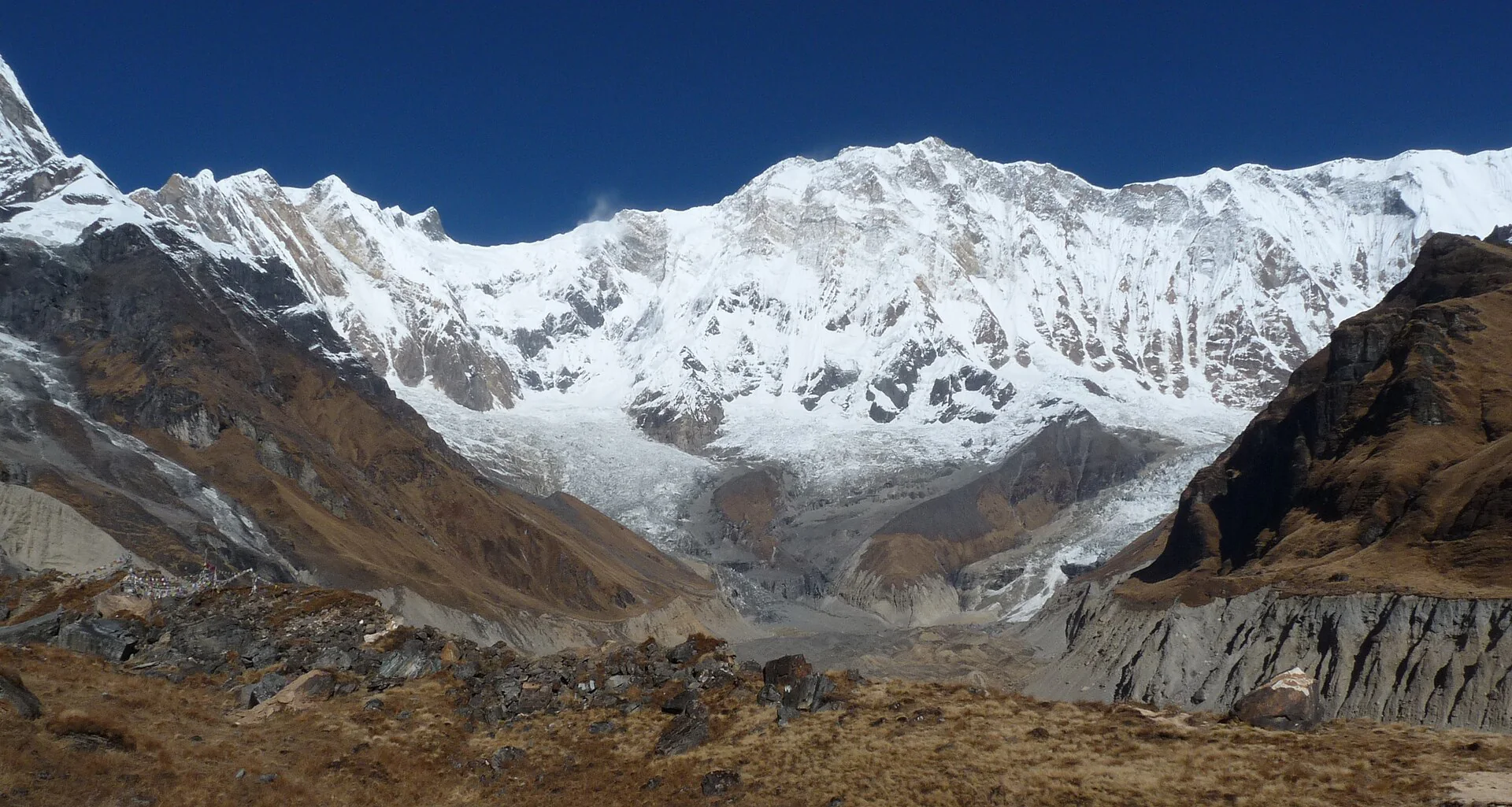
An Annapurna helicopter tour is an aviation itinerary, and its actual route, any landing and operating conditions need confirmation for your date. The words “Base Camp” in a tour title do not guarantee that the aircraft will land there. Ask for a clear written description of the proposed flight before comparing prices or paying.
A flight can appeal to travelers seeking mountain views without a multi-day walk, but it is a different experience from trekking through the Annapurna villages and valleys. Decide which experience you want before choosing the transport.
What does an Annapurna helicopter tour include?
Start by separating three elements: the flight route, any time on the ground, and services before or after the flight. A quotation may describe an aerial sightseeing route, a proposed landing or a combination. It should identify the departure point and intended return point, with any ground transfers listed separately.
Pokhara Flight Centre’s shared Annapurna Base Camp helicopter page is a relevant starting point for a service inquiry. Ask the booking team to confirm the proposed departure, route, operating carrier and whether any landing is intended. A related Sharing Heli Annapurna service page, which credits the same company, explicitly makes routing and landing conditional on operational factors. The proposal for your date should explain those conditions clearly.
Do not translate “possible landing” into “guaranteed stop.” Ask what the booked service becomes if a planned landing is not approved, and how the price and cancellation terms apply in that situation.
Shared seat or private charter?
| Arrangement | What to establish |
|---|---|
| Shared-seat request | Whether enough compatible passengers have been confirmed; the payment and cancellation conditions if they have not |
| Private charter request | Which aircraft and route are proposed, the approved passenger load and what the charter charge covers |
| One-way flight connected to a trek | Exact pickup point, communication arrangements, baggage and the plan if the flight cannot operate |
A private charter gives your party a different commercial arrangement; it does not give passengers control over the pilot’s operational decisions. A shared-seat inquiry also does not hold a confirmed seat merely because a website accepts the form.
Ask whether the quote is per person, per aircraft or based on a specified group size. Check whether taxes, airport charges, transfers and any permits are included. If passengers are combined with another group, understand the meeting time and how changes are communicated.
Passenger weights and baggage belong in the first inquiry
Supply accurate passenger weights and intended baggage when requested by the booking team. Do not estimate a party total without checking with each traveler. If weights or luggage change, tell the organizer before the flight rather than relying on the original quote.
Ask for the usable baggage allowance, permitted bag type and restrictions on loose equipment. A helicopter sightseeing flight is not automatically suitable for the same luggage you brought on an international journey. If the flight is part of a trek, clarify where the rest of your bags will stay and how you will retrieve them.
Do not promise a child a particular seat or a photographer an unobstructed view before the operator confirms seating. Balance, aircraft configuration and crew instructions come first. Ask the provider about any accessibility assistance well in advance.
Altitude still matters when you do not walk uphill
Flying removes the walking ascent; it does not remove altitude exposure. A rapid transfer to a high landing point can matter medically even if the ground visit is short. The CDC’s high-altitude travel guidance explains why altitude and ascent rate need consideration.
Ask for the approximate altitude and proposed time at every landing. If you have a relevant health condition or previous altitude illness, discuss the actual plan with a clinician before booking. “No trekking required” is not a medical clearance.
Read our altitude and acclimatization guide for general preparation. If someone becomes unwell, tell the crew promptly and follow professional advice; never conceal symptoms because the flight is a special occasion.
Weather and changes: agree the choices before payment
A useful booking conversation should explain what happens in several scenarios: the flight does not depart, departs later, follows a changed route, omits a landing, or returns earlier than planned. Ask how each scenario affects the service and the amount payable.
Clarify who makes the decision to cancel and how the information reaches you. Keep the flight day flexible and avoid arranging a tight connection immediately afterward. A free morning elsewhere in the itinerary can be more valuable than an optimistic promise that every activity will fit on the same date.
Ask whether a postponement requires you to remain in Pokhara and who pays for extra accommodation or transfers. These are contract questions; no single refund rule should be assumed to apply to every provider.
A sensible flight-day checklist
- Reconfirm the meeting point and reporting time with the booking team.
- Carry the identification the provider requests and your booking details.
- Bring only the baggage and equipment approved for the flight.
- Wear clothing suited to the proposed route and landing conditions.
- Listen to the crew’s safety briefing before approaching the aircraft.
- Follow crew instructions on boarding, seatbelts, photography and movement.
- Keep the rest of the day flexible until the flight has concluded.
Ask about any special requirements for children before traveling to the departure point. If you need assistance getting into or out of the aircraft, describe that need during the quote stage. On the day, take your instructions from the operating crew, not from another passenger’s previous experience.
Helicopter sightseeing or an Annapurna trek?
Choose a flight if the aerial perspective is the experience you want and the proposed arrangements suit your circumstances. Choose a trek if you want several days of walking, village stays and a gradual journey through changing landscapes. A helicopter should not be presented as a guaranteed rescue from a trek that was too ambitious at the planning stage.
The Annapurna Base Camp Trek and Annapurna Foothills Hike offer different walking commitments. Compare the actual itinerary, sleeping elevations and available days with the flight option rather than comparing a headline photograph.
If mountain visibility is your main reason for visiting Pokhara, also plan worthwhile activities that do not depend on it. Our Pokhara activity guide includes lake time, museums and flexible day ideas.
Request a proposal with the right details
Everest Encounter is operated by Pokhara Flight Centre Tours & Travel Pvt. Ltd.. Send your preferred date, flexible alternative dates, passenger count, approximate weights, luggage and intended route through our inquiry form. Mention any relevant access or health concerns privately so the proposed service can be assessed appropriately.
The response should identify the operating carrier, proposed itinerary, inclusions, exclusions and conditions. A request starts that conversation; it does not itself issue a ticket, guarantee a landing or confirm that the flight will operate.
Sources & further reading
Travel information checked on 25 October 2026. Rules, fees and operations can change; check the linked authority again before you travel.
Let’s plan your Nepal journey.
Choose an itinerary or tell us what you have in mind.